
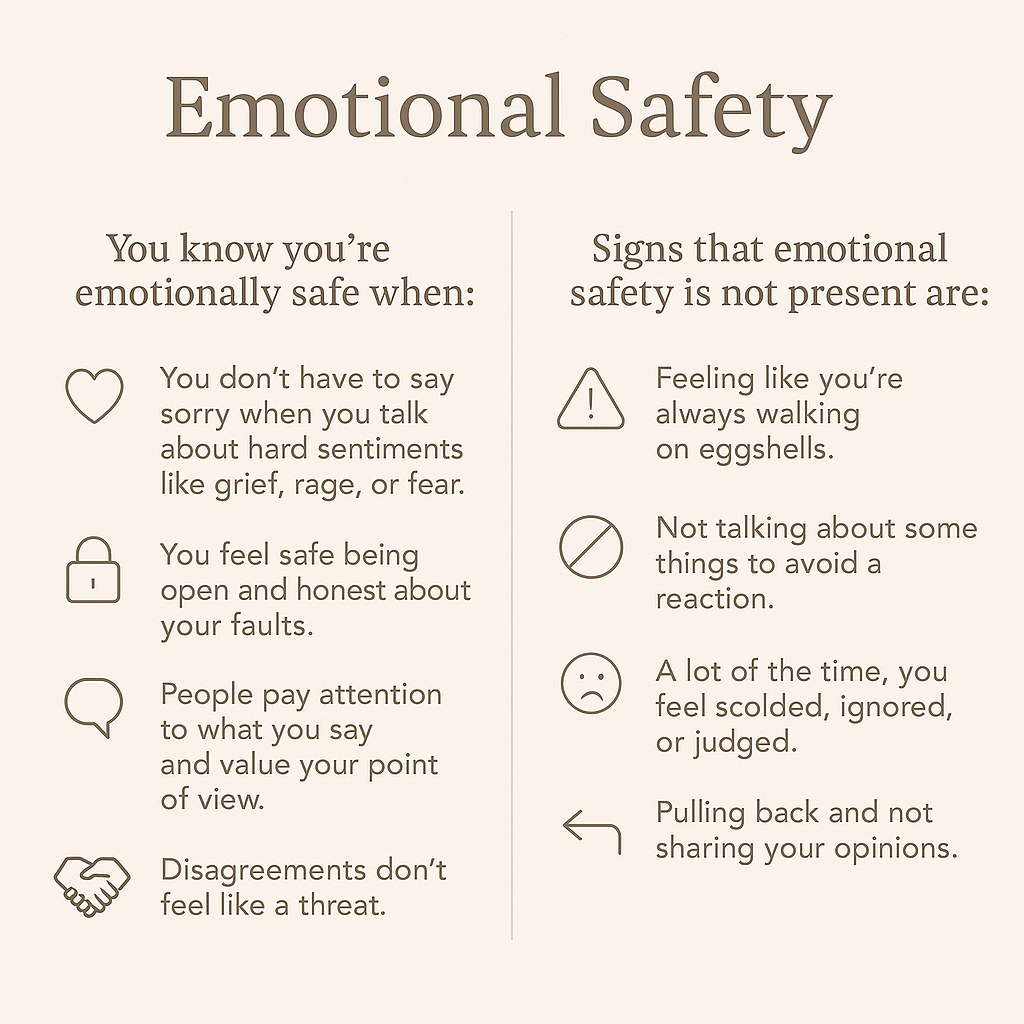
Healthy adult relationships are built on trust, communication, and mutual respect. One of the most essential—but often misunderstood—elements of a strong relationship is boundaries. Boundaries protect emotional safety, personal comfort, and mental well-being. Without them, relationships can become confusing, overwhelming, or unbalanced.
Understanding and respecting boundaries helps partners feel secure and valued.
What Are Boundaries?
Boundaries are personal limits that define what feels acceptable, safe, and comfortable. They vary from person to person and can change over time.
Boundaries may relate to:
-
Emotional needs
-
Personal space
-
Communication styles
-
Time and independence
-
Values and priorities
They are not rules to control others—they are guidelines that protect well-being.
Why Boundaries Matter in Relationships
Clear boundaries prevent resentment and misunderstandings. When partners understand each other’s limits, they can interact with greater awareness and respect.
Healthy boundaries help:
-
Maintain emotional balance
-
Reduce pressure and conflict
-
Encourage honest communication
-
Build long-term trust
Without boundaries, one partner may feel overwhelmed while the other feels confused.
Boundaries Create Emotional Safety
Emotional safety means feeling secure enough to express thoughts and feelings without fear of judgment or rejection. Boundaries support this safety by clarifying expectations.
When both partners respect boundaries:
-
Conversations feel more open
-
Disagreements become easier to manage
-
Trust strengthens over time
Emotional safety allows intimacy to grow naturally.
Common Signs of Weak Boundaries
Some signs that boundaries may need strengthening include:
-
Feeling guilty for saying “no”
-
Avoiding honest conversations
-
Feeling pressured or overwhelmed
-
Resentment building silently
Recognizing these signs is the first step toward improvement.
How to Communicate Boundaries Clearly
Healthy boundaries require clear communication. Expressing limits calmly and respectfully helps avoid conflict.
Effective boundary communication includes:
-
Using clear and direct language
-
Explaining feelings without blame
-
Listening to your partner’s perspective
-
Being open to compromise where appropriate
Boundaries are most effective when discussed openly rather than assumed.
Respecting Your Partner’s Boundaries
Respect is a two-way process. Just as you expect your boundaries to be honored, it is equally important to honor your partner’s limits.
Respect means:
-
Accepting “no” without pressure
-
Avoiding manipulation
-
Valuing your partner’s comfort
-
Being patient and understanding
Mutual respect strengthens emotional connection.
Boundaries Support Healthy Independence
A strong relationship does not mean losing individuality. Boundaries help maintain personal identity, friendships, hobbies, and personal growth.
Healthy independence often makes relationships stronger because partners feel fulfilled both together and separately.
Conclusion
Boundaries are not barriers—they are foundations for healthy adult relationships. They protect emotional well-being, support trust, and encourage honest communication. When both partners understand and respect each other’s limits, relationships become more balanced, secure, and fulfilling.
Setting and respecting boundaries is a sign of emotional maturity and care. It allows love to grow in a safe and respectful environment.
Leave a Reply