
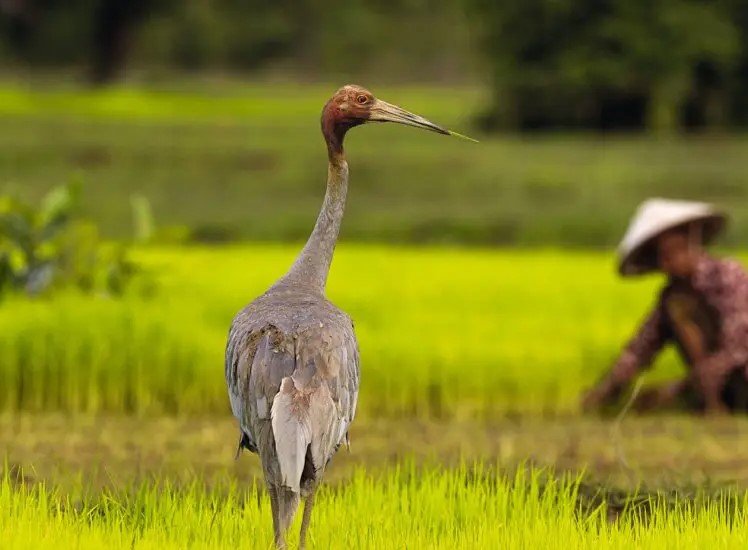
Cambodia is one of Southeast Asia’s most important countries for bird diversity. Its wetlands, forests, rivers, and floodplains provide safe habitats for many bird species. Birds help maintain natural balance by controlling insects, spreading seeds, and supporting healthy ecosystems.
1. Giant Ibis
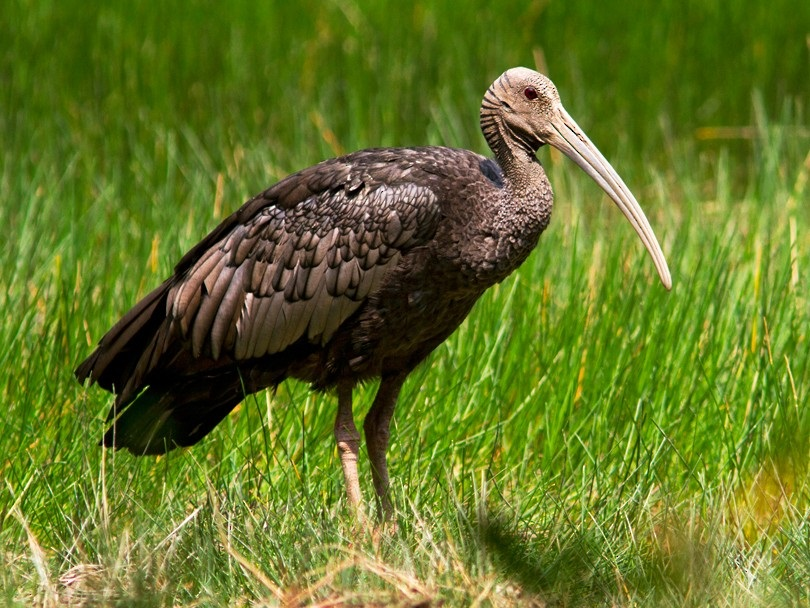
The Giant Ibis is the national bird of Cambodia and one of the rarest birds in the world. It is a large wetland bird with long legs and a curved bill. Cambodia protects some of the last remaining habitats where this bird can survive.
2. White-Shouldered Ibis
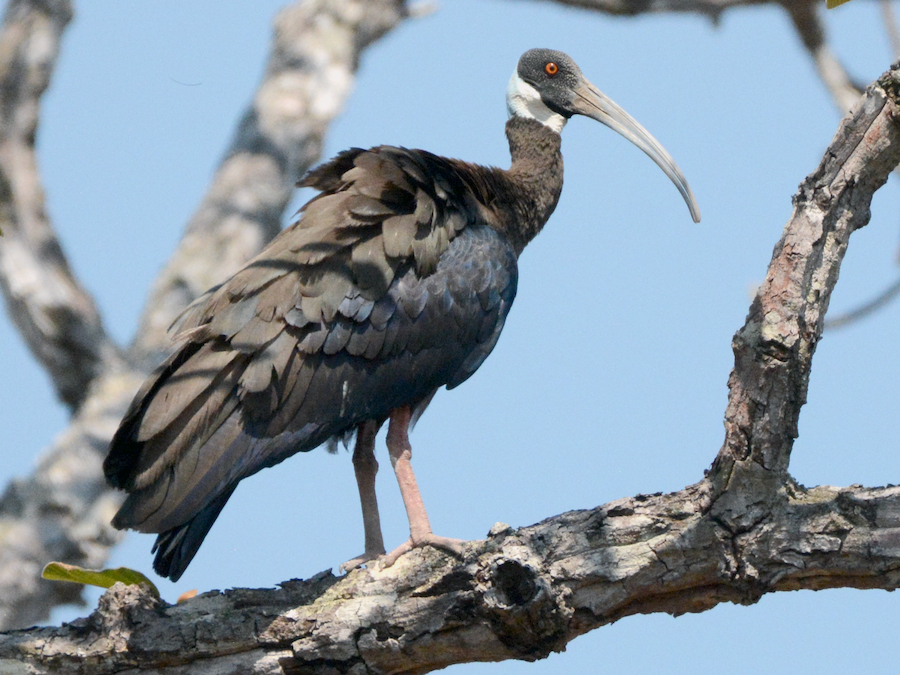
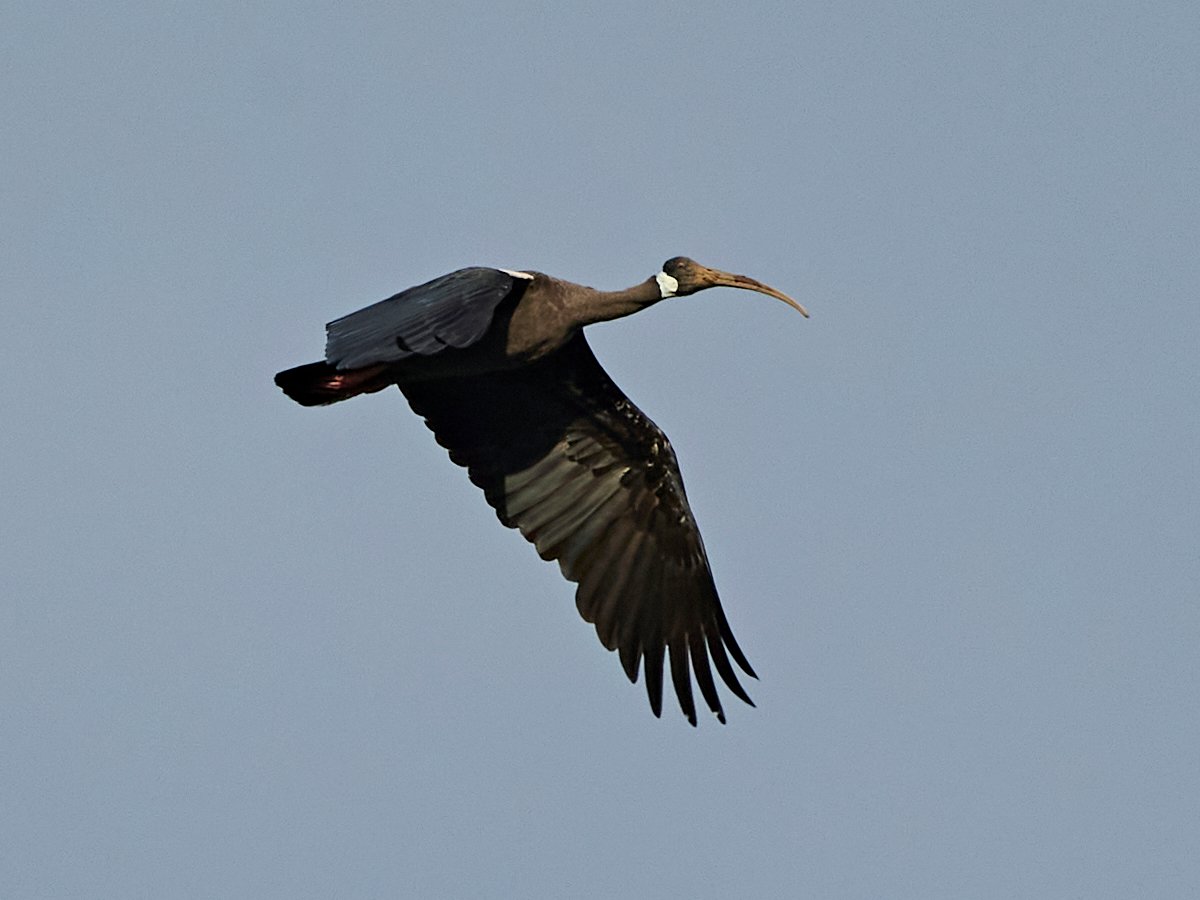
The White-Shouldered Ibis lives near rivers, wetlands, and open forests. It depends on quiet natural areas and is protected in several conservation zones across Cambodia.
3. Cambodian Tailorbird
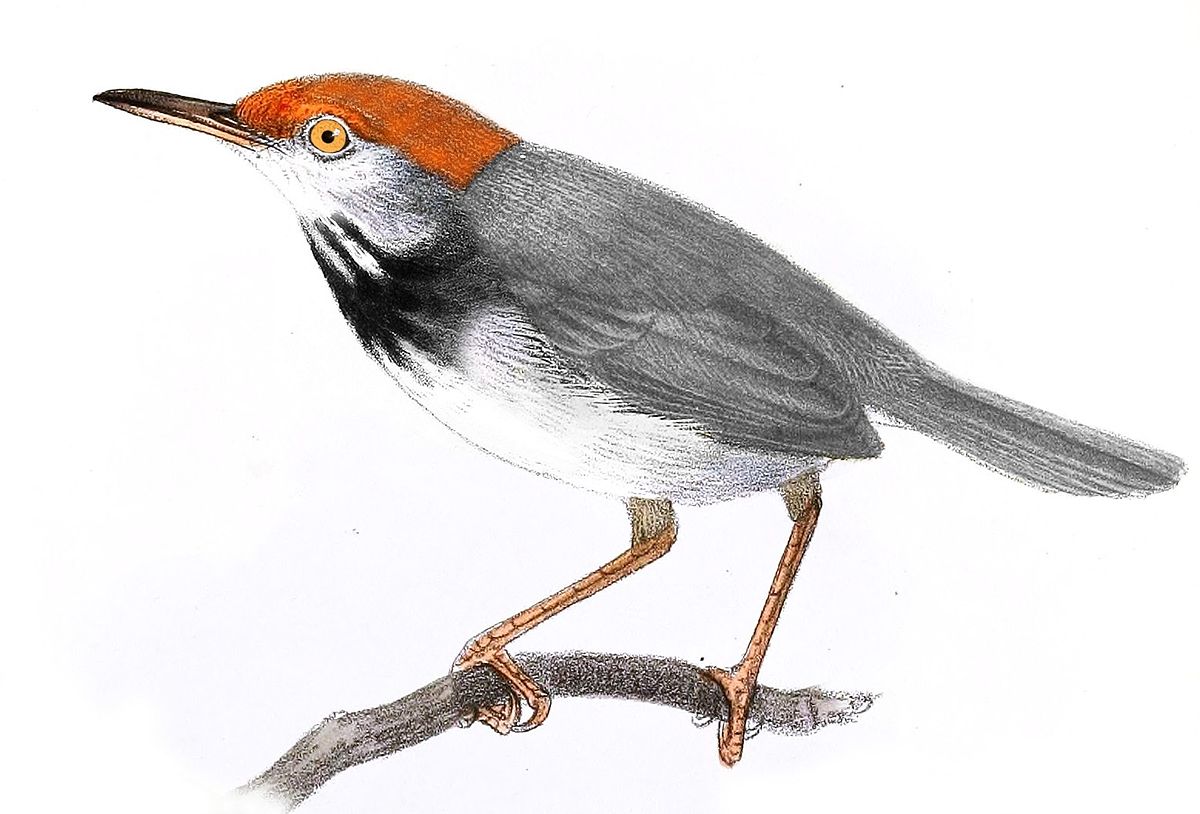
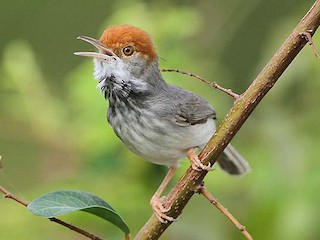
The Cambodian Tailorbird is found only in Cambodia. It is small, active, and known for sewing leaves together to build its nest. Because it is endemic, protecting its habitat is extremely important.
4. Black-Capped Kingfisher
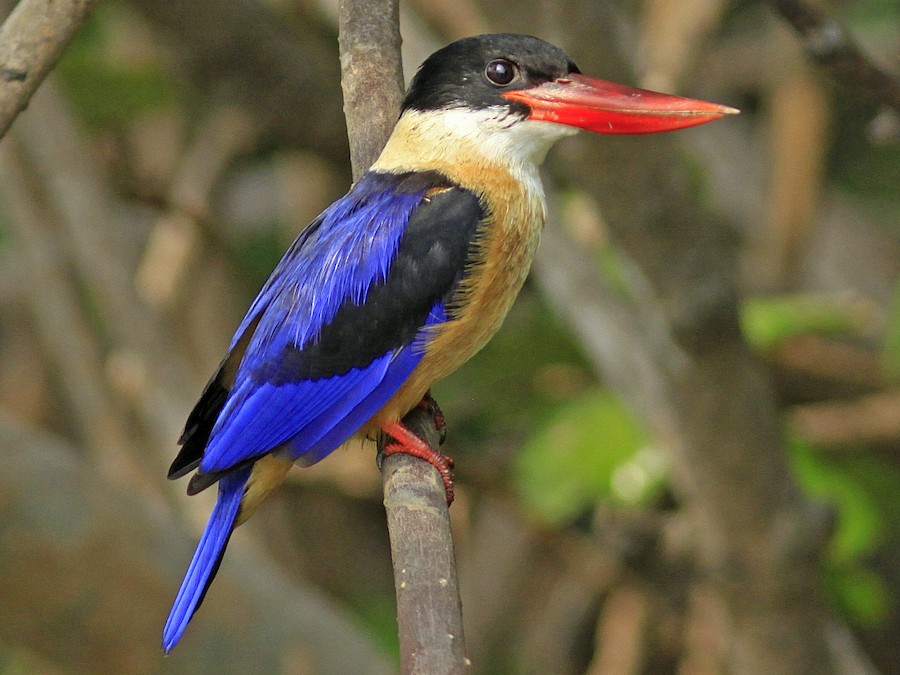
This bird is famous for its bright blue wings and orange body. It hunts near water and is often seen around rivers, lakes, and temple moats.
5. Blue-Tailed Bee-Eater
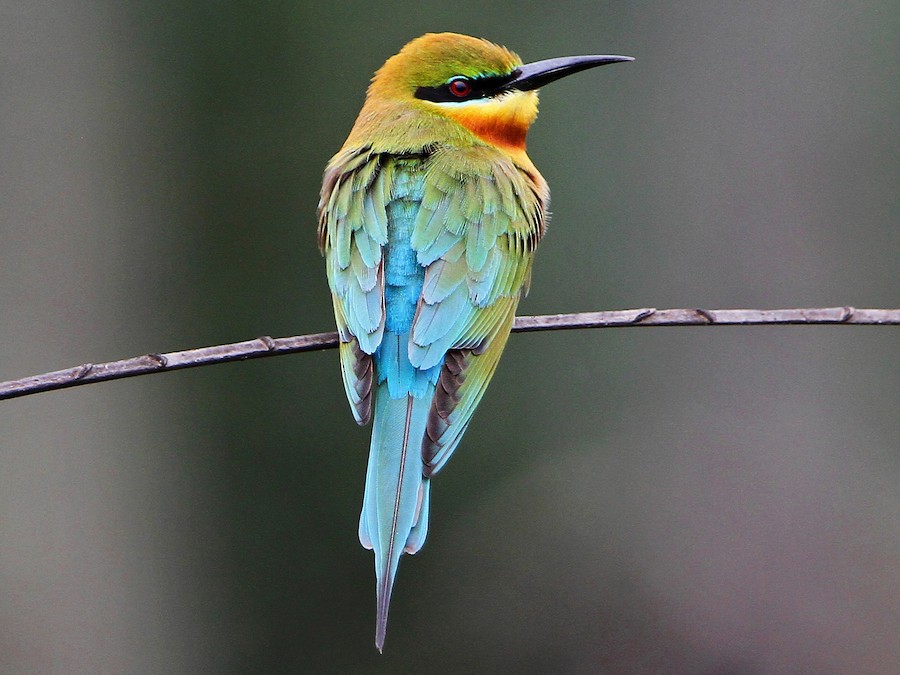
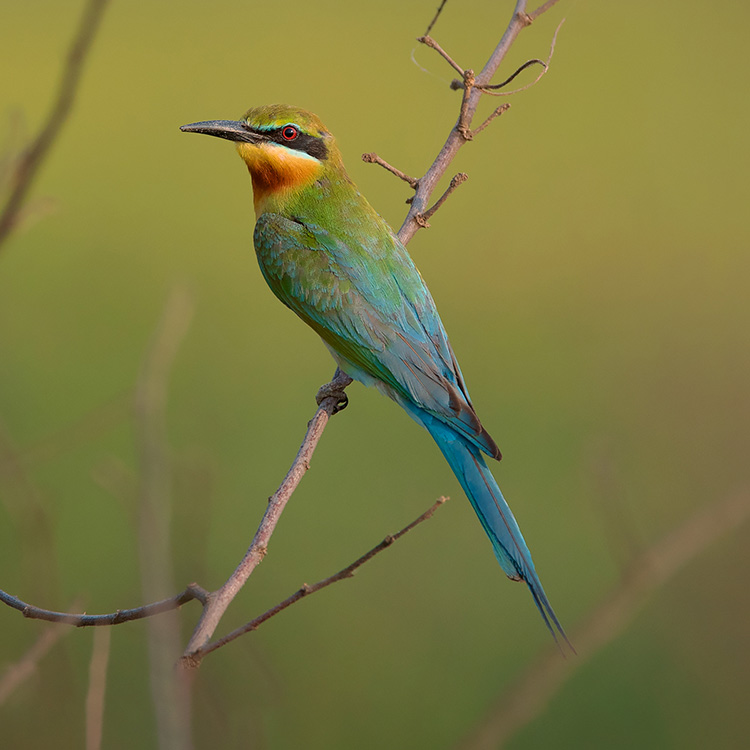
The Blue-Tailed Bee-Eater catches insects while flying. It lives in open areas such as rice fields and wetland edges and helps control insect populations.
6. Asian Paradise Flycatcher


This elegant bird is known for the male’s long tail feathers. It moves quickly through forests and feeds on flying insects.
7. Alexandrine Parakeet
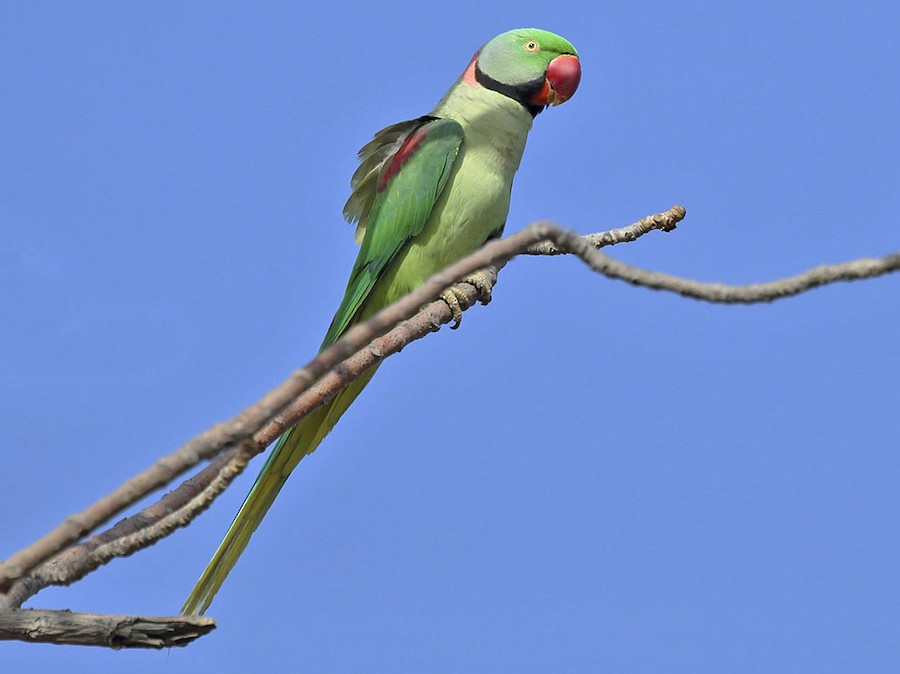
The Alexandrine Parakeet is a large green parrot often seen flying in noisy groups. It lives in forests and around ancient temple areas.
8. Scarlet-Backed Flowerpecker

This tiny bird has a bright red back. It feeds on fruits and nectar and helps spread seeds, supporting plant growth.
9. Grey Heron

The Grey Heron is commonly seen standing still near water. It hunts fish and frogs in wetlands, rivers, and rice fields.
10. Oriental Pied Hornbill
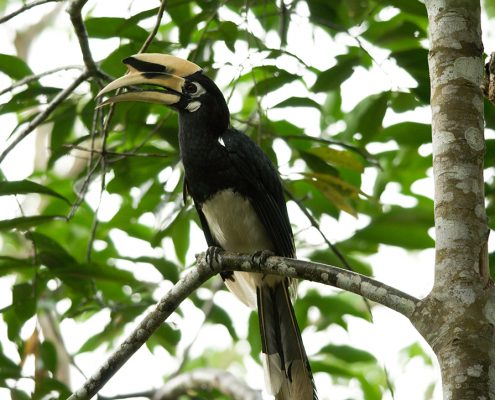
This large forest bird has a strong curved bill and loud wingbeats. It plays an important role in spreading seeds and keeping forests healthy.
Leave a Reply