
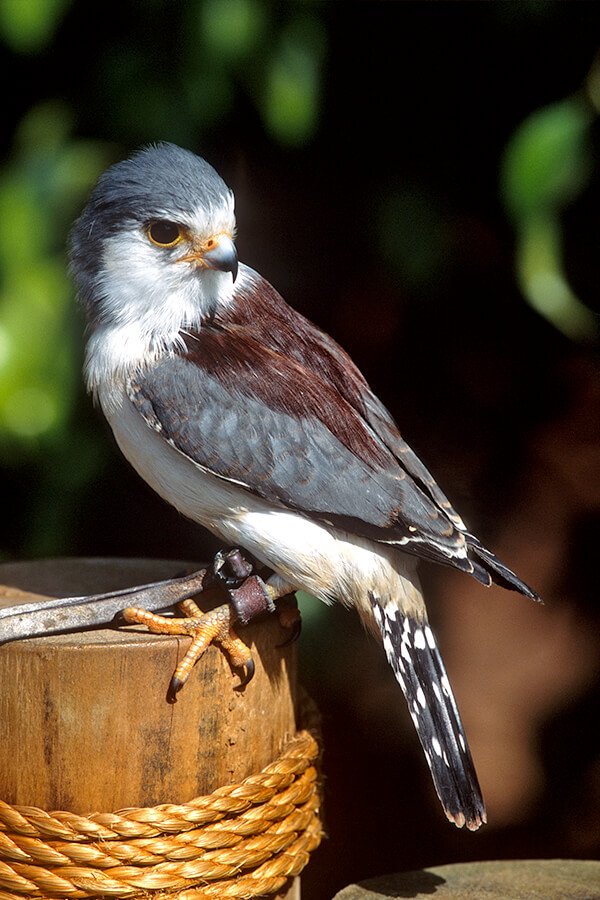
The African Pygmy Falcon is one of the smallest raptors in the world — a tiny bird of prey with big personality and remarkable adaptations. Despite its small size, it is a fierce hunter and a symbol of resilience in some of Africa’s driest landscapes.
Native to eastern and southern Africa, this falcon thrives in desert and savanna environments where other birds of prey struggle. Its behavior, social dynamics, and survival strategies make it one of the most fascinating birds to observe.
A Small Bird With Big Impact
The African Pygmy Falcon measures only about 13–15 centimeters (5–6 inches) in length, making it one of the smallest falcon species on Earth. Its compact body and short wings allow for quick, agile flight — essential for hunting insects, small lizards, and other tiny prey.
Unlike larger raptors that soar at great heights, this falcon typically flies close to the ground, making short, quick bursts to capture food or dash between perches.
Distinctive Appearance
These falcons have striking features that set them apart:
-
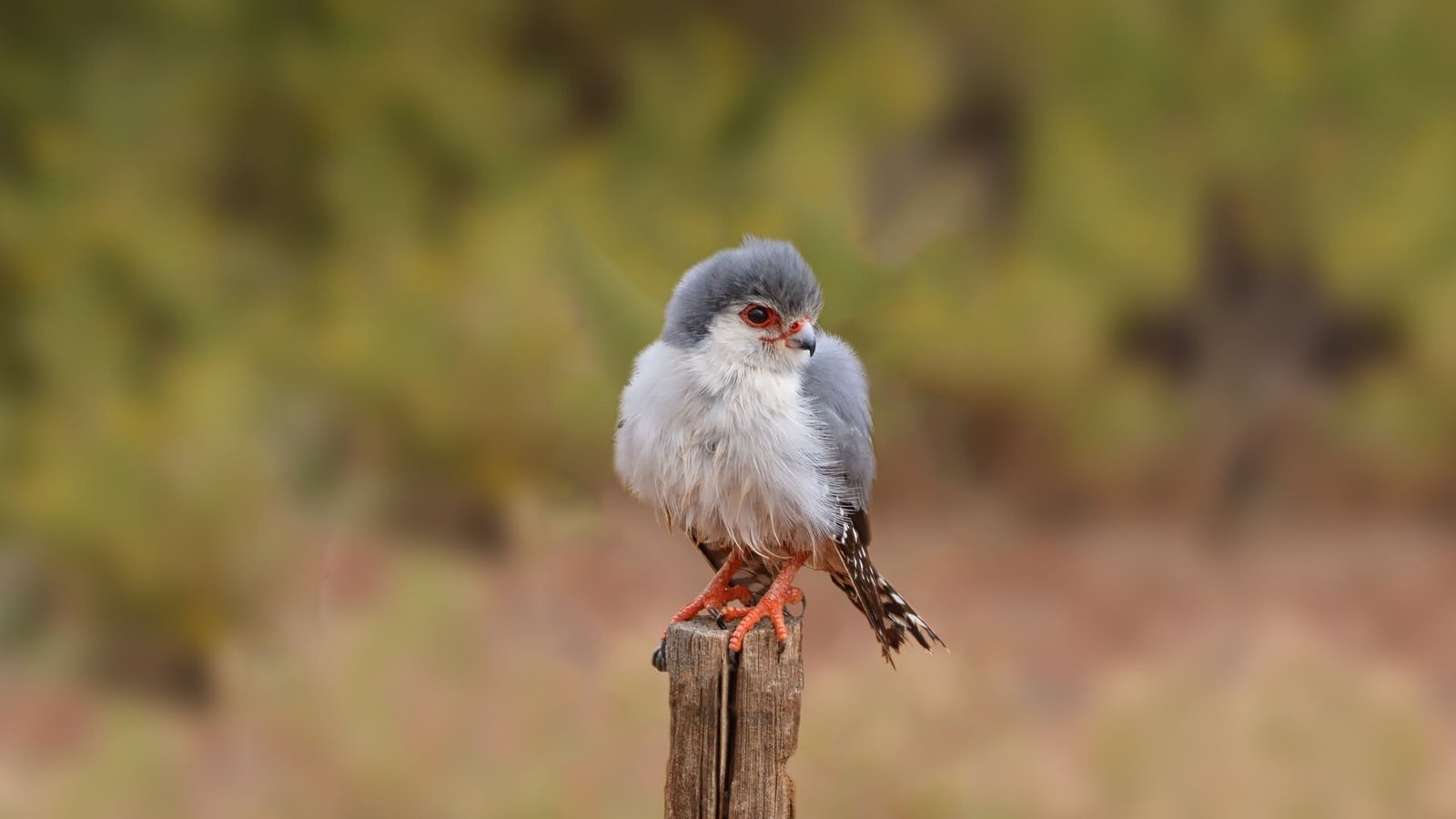
Plumage: Adults usually display a mix of soft brown and grey feathers, with lighter underparts and distinctive markings around the eyes and chest.
-
Size: Their small stature gives them a delicate appearance, but their sharp beak and agile body reflect a powerful hunter.
-
Eyes: Keen eyesight helps them spot movement across wide, open spaces.
Their physical design is perfect for life in open, arid regions where camouflage and speed are essential for survival.
Adapted for Desert and Savanna Life
Unlike many birds of prey that live in forests or mountains, the African Pygmy Falcon has adapted to hot, dry environments such as:
-
Desert edges
-
Dry savannas
-
Scrublands
These regions often have limited cover or shade, but this bird has evolved to hunt and nest in conditions that many others find challenging.
They take advantage of sparse vegetation and small rock outcrops, using these areas as perches to survey for prey.
Diet: Opportunistic and Efficient
While many falcons focus on larger prey, the African Pygmy Falcon’s diet reflects its size and habitat:
-
Large insects: including grasshoppers and beetles
-
Small reptiles: such as tiny lizards
-
Occasionally small birds or rodents
Their hunting strategy is a mix of patient waiting and quick pursuit. Unlike larger raptors that soar for extended periods, these small falcons prefer short flights close to the ground, darting swiftly after prey once spotted.
Unusual Nesting Behavior
One of the most fascinating aspects of African Pygmy Falcons is where they choose to nest.
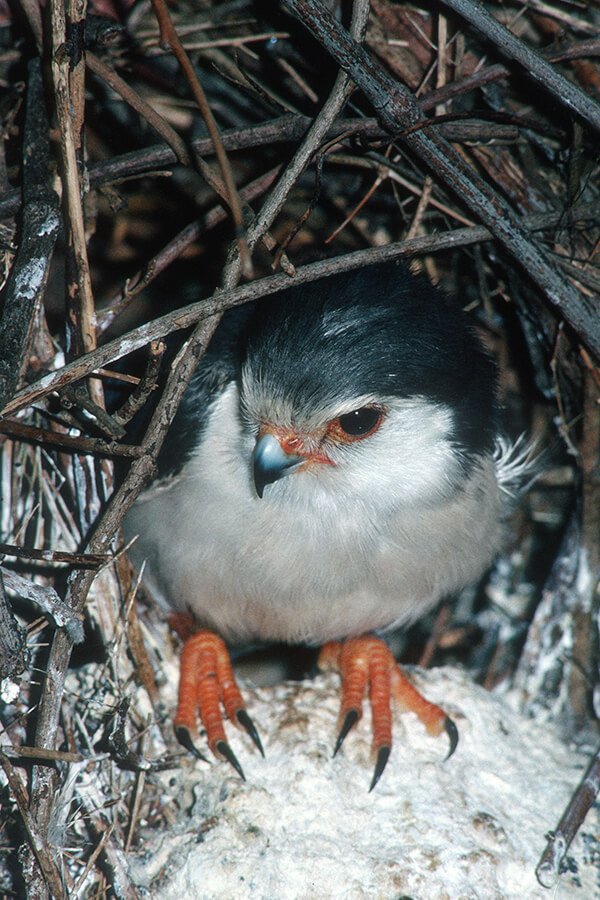
Unlike many birds that build nests from twigs and grasses, this falcon often uses nests constructed by other species, especially sociable weaver birds. Sociable weavers build large communal nests that can house dozens of birds. Tiny falcons may take over unused chambers or share space with weavers when possible.
This behavior saves energy and provides a secure location in harsh environments.
Social Behavior and Communication
Although not typically gregarious like starlings or parrots, African Pygmy Falcons have interesting social habits:
-
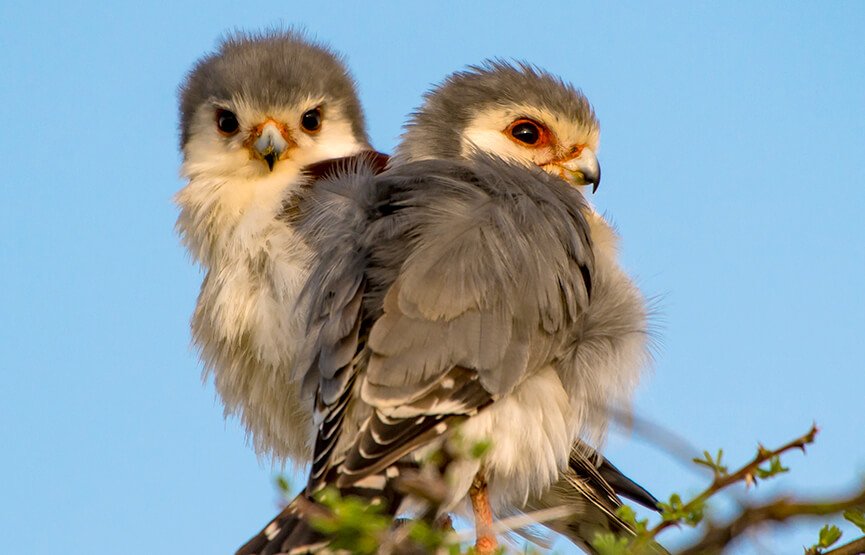
They may be seen in small family groups rather than solitary pairs.
-
Pairs often stay close to their chosen territory year-round.
-
Vocal calls are used to communicate between mates or warn of threats.
Their small size doesn’t diminish their social presence — they communicate actively when defending territory or signaling to each other.
Reproduction and Young Falcons
Breeding behavior in these falcons reflects their adaptability. After choosing a nest site (often an abandoned weaver nest), the female lays a small clutch of eggs.
Both male and female parents may participate in:
-
Incubating eggs
-
Feeding hatchlings
-
Defending the nest against predators
The young grow quickly, learning to fly and hunt within a few weeks before becoming independent.
Why African Pygmy Falcons Matter
These tiny falcons play an important ecological role:
1. Insect Population Control
By feeding on large insects, they help maintain natural balance and reduce pest populations in their habitat.
2. Link in the Food Web
They serve as both predator and prey, helping support local biodiversity.
3. Indicators of Habitat Health
Because they thrive in dry regions, their presence often signals a stable and balanced ecosystem.
Protecting them means protecting the fragile landscapes where they live.
Challenges in the Wild
Although African Pygmy Falcons are not currently considered endangered, they face threats like:
-
Habitat loss due to agricultural expansion
-
Climate change affecting water and food availability
-
Human disturbance near nesting sites
Conservation efforts focus on understanding their behavior and protecting key habitats from destruction.
Conclusion
The African Pygmy Falcon may be small, but it is a marvel of adaptability and survival. Its ability to live in dry environments, nest in unusual locations, and hunt efficiently demonstrates nature’s creativity.
This tiny raptor reminds us that size does not determine significance. Even the smallest species can play a vital role in the balance of life.
If we protect birds like the African Pygmy Falcon, we also protect the vast ecosystems that depend on them.
Leave a Reply