As temperatures begin to fall, many people focus on staying comfortable without realizing how cold weather may affect their cardiovascular health.
Exposure to cold temperatures can cause blood vessels to narrow, potentially increasing blood pressure and placing additional strain on the heart. These effects may be particularly concerning for older adults and people living with hypertension, heart disease, or other cardiovascular conditions.
Although cold weather alone does not necessarily cause a stroke, sudden temperature changes and certain lifestyle habits may contribute to cardiovascular stress.
Here are five everyday habits to reconsider during colder weather, along with practical ways to protect your health.
1. Moving Suddenly From a Warm Room Into Cold Outdoor Air
Leaving a comfortably heated room and immediately stepping into cold outdoor air can expose the body to a sudden temperature change.
When the body encounters cold temperatures, blood vessels may constrict to reduce heat loss. This natural response can temporarily increase blood pressure and make the heart work harder.
People with existing cardiovascular conditions may be more vulnerable to these changes.
What You Should Do
- Wear warm clothing before leaving the house.
- Protect your head, neck, hands, and feet.
- Avoid unnecessary exposure to extremely cold temperatures.
- Pay particular attention to staying warm during early morning outings.
Taking simple precautions can help reduce unnecessary cold-related cardiovascular stress.
2. Taking Extremely Cold Showers
Some people enjoy cold showers because they feel refreshing and energizing. However, sudden exposure to very cold water can trigger a physiological stress response.
This response may include increased heart rate, rapid breathing, blood vessel constriction, and a temporary rise in blood pressure.
For individuals with uncontrolled hypertension or cardiovascular disease, sudden cold-water exposure may be particularly concerning.
What You Should Do
Use comfortably warm or lukewarm water when bathing during cold weather.
Avoid sudden exposure to extremely cold water, especially if you have a history of heart disease or high blood pressure.
People with cardiovascular conditions should consult their healthcare provider before attempting cold-water immersion or similar activities.
3. Bathing Late at Night in a Cold Environment
Many people prefer taking a shower before going to bed. Bathing at night is not inherently dangerous, and there is no established evidence that nighttime bathing alone causes a stroke.
However, bathing in an unusually cold environment or experiencing abrupt temperature changes may create unnecessary cardiovascular stress.
The concern is particularly relevant when moving between warm water and a very cold bathroom.
What You Should Do
Keep the bathroom comfortably warm, use a suitable water temperature, and dry yourself thoroughly after bathing.
Wear comfortable clothing immediately afterward to reduce unnecessary heat loss.
Older adults and individuals with cardiovascular conditions should take extra precautions when bathing in cold environments.
4. Performing Strenuous Activities Immediately After Waking Up
Blood pressure naturally follows a daily rhythm and often rises around the time a person wakes up.
Immediately performing strenuous exercise or heavy physical work, particularly in cold weather, can increase cardiovascular demands.
Regular physical activity remains one of the most important ways to support heart health and reduce long-term stroke risk. The goal is not to avoid exercise but to approach it safely.
What You Should Do
Begin your morning with gentle movements before progressing to more demanding activities.
Consider light stretching, slow walking, or a gradual warm-up.
Spend at least several minutes preparing your body before intense exercise, and allow more time when necessary.
If you experience chest discomfort, unusual shortness of breath, dizziness, or sudden weakness, stop exercising and seek appropriate medical attention.
5. Drinking Alcohol to Stay Warm
A common misconception is that drinking beer, wine, or spirits helps protect the body against cold weather.
Alcohol may create a temporary sensation of warmth because it increases blood flow near the skin. However, this can actually increase heat loss from the body.
Excessive alcohol consumption can also contribute to high blood pressure and increase the long-term risk of stroke and other cardiovascular problems.
What You Should Do
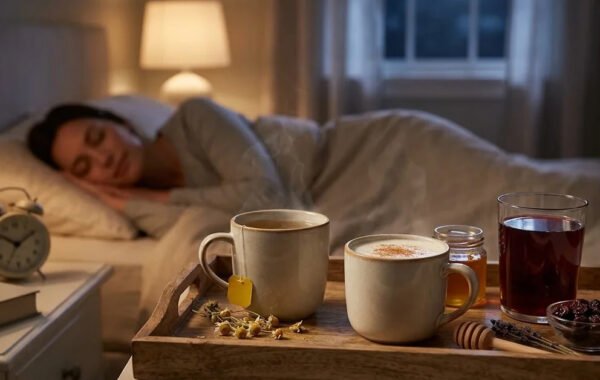
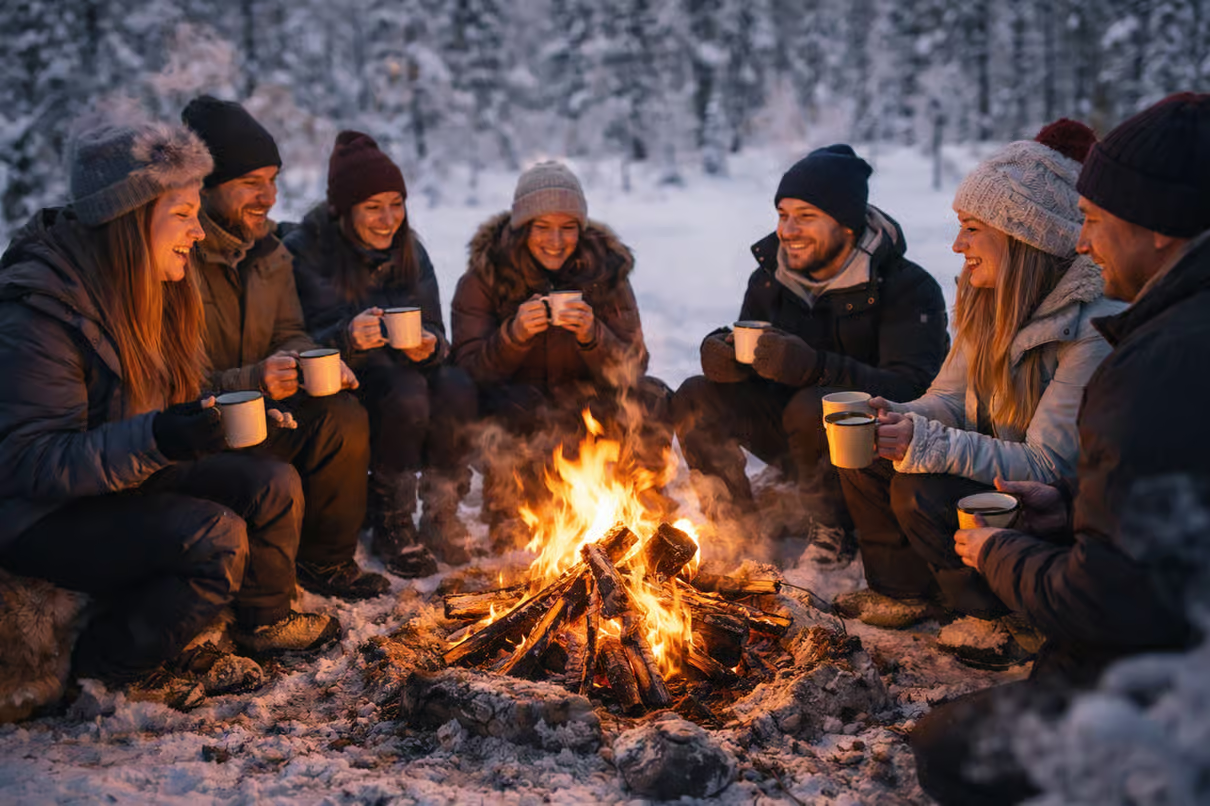
Instead of relying on alcohol to stay warm, choose appropriate clothing and warm, non-alcoholic beverages.
Warm water, unsweetened tea, or other suitable drinks can provide comfort without the risks associated with alcohol consumption.
Remember that feeling warm does not necessarily mean your body is maintaining a safe temperature.
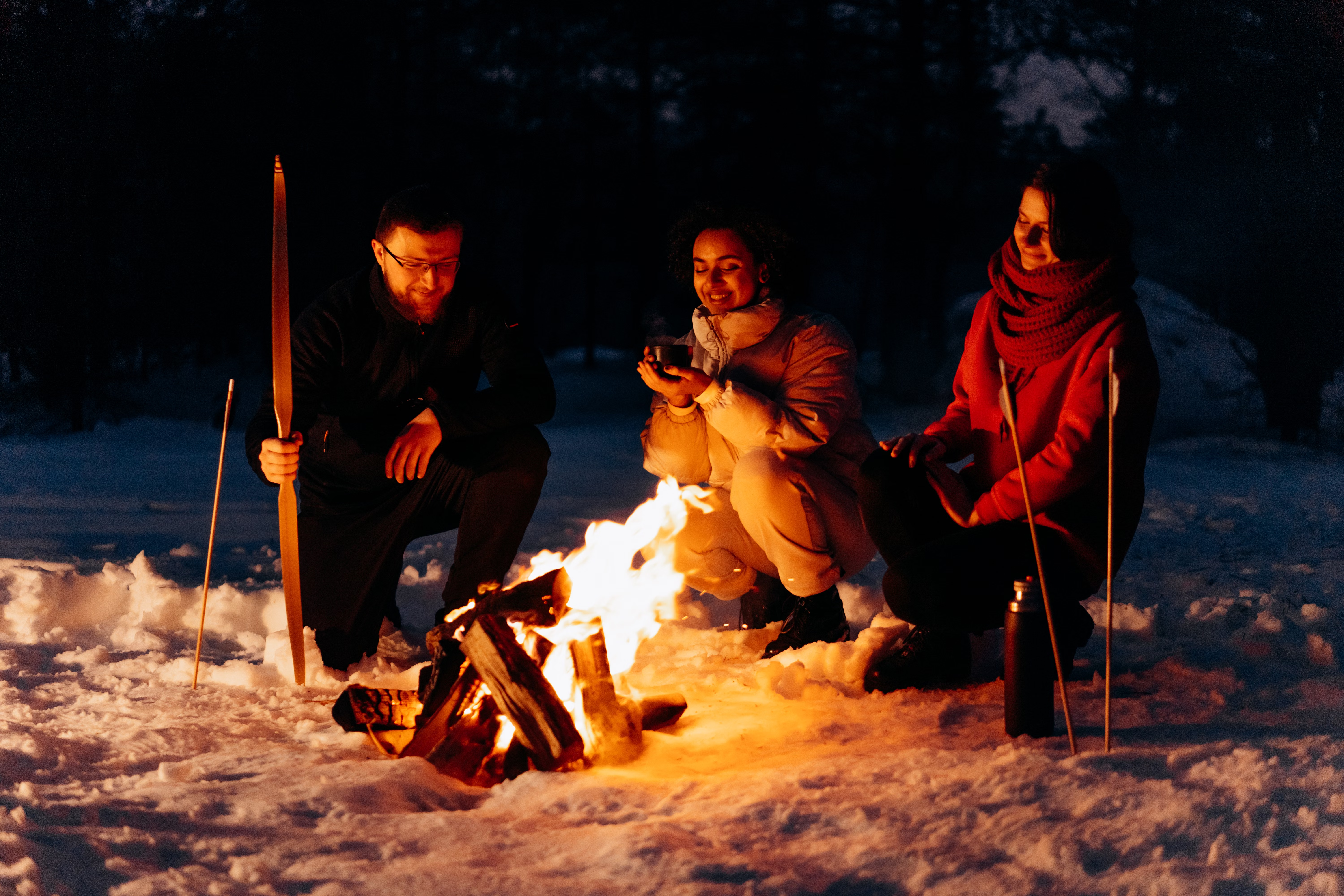
Who Should Be Especially Careful During Cold Weather?
Although everyone can experience the effects of cold temperatures, certain individuals may need additional precautions.
These include:
- Older adults.
- People with high blood pressure.
- Individuals with heart disease.
- People living with diabetes.
- Individuals with a previous stroke or transient ischemic attack.
- People with certain heart rhythm disorders, such as atrial fibrillation.
- Individuals who smoke or consume excessive amounts of alcohol.
Managing existing medical conditions and following professional medical advice are important parts of reducing stroke risk.
Recognizing the Warning Signs of a Stroke
A stroke is a medical emergency that occurs when blood flow to part of the brain is blocked or when a blood vessel in the brain ruptures.
Recognizing the symptoms and seeking immediate medical treatment can help save lives and reduce the risk of permanent disability.
One of the easiest ways to remember common stroke symptoms is the FAST method.
F — Face Drooping
One side of the face suddenly becomes weak, numb, or uneven.
Ask the person to smile and check whether one side of the face droops.
A — Arm Weakness
One arm suddenly becomes weak or numb.
Ask the person to raise both arms. If one arm drifts downward or cannot be lifted normally, it may indicate a stroke.
S — Speech Difficulty
The person may suddenly have difficulty speaking, understanding words, or repeating a simple sentence.
Their speech may become slurred or unclear.
T — Time to Call Emergency Services
If any of these symptoms appear, seek emergency medical assistance immediately.
Do not wait for the symptoms to disappear. Even symptoms that resolve quickly may indicate a transient ischemic attack, which requires urgent medical evaluation.
Other possible warning signs include sudden vision problems, loss of balance, difficulty walking, weakness on one side of the body, or a sudden severe headache.
Note the time when symptoms began or when the person was last known to be well. Do not give them food, drinks, or aspirin unless instructed by a medical professional.
Healthy Habits That May Help Reduce Stroke Risk
Protecting cardiovascular health requires more than avoiding cold temperatures.
Long-term lifestyle choices and appropriate medical care play a much greater role in stroke prevention.
Consider adopting the following healthy habits:
- Monitor and manage your blood pressure.
- Maintain a balanced and nutritious diet.
- Reduce excessive salt consumption.
- Participate in regular physical activity.
- Avoid smoking and excessive alcohol consumption.
- Maintain a healthy body weight.
- Manage diabetes and cholesterol levels.
- Take prescribed medications as directed.
- Attend regular medical checkups.
High blood pressure is one of the most important modifiable risk factors for stroke. Identifying and managing it can make a meaningful difference to long-term health.
Final Thoughts
Cold weather can create additional challenges for cardiovascular health, particularly among older adults and individuals with underlying medical conditions.
Avoiding sudden temperature changes, staying comfortably warm, exercising safely, and limiting alcohol consumption are practical precautions during colder periods.
However, these precautions should complement—not replace—proven stroke prevention strategies such as blood pressure management, regular physical activity, healthy eating, and appropriate medical treatment.
Most importantly, everyone should learn to recognize the early warning signs of a stroke.
When a stroke occurs, every minute matters. Seeking immediate medical attention can make a significant difference in recovery and survival.
Medical Disclaimer: This article is intended for general educational and informational purposes only. It is not a substitute for professional medical advice, diagnosis, or treatment. Always consult a qualified healthcare professional regarding medical concerns. If you suspect someone is experiencing a stroke, seek emergency medical assistance immediately.