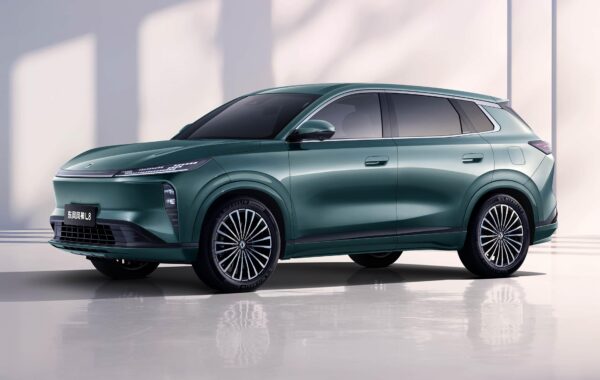
China’s automotive industry is undergoing a remarkable transformation, and BYD is emerging as one of the most ambitious companies driving this change.
From affordable electric sedans to high-performance luxury SUVs and electric supercars, the Chinese automotive giant is expanding its portfolio with vehicles that combine advanced battery technology, intelligent driving systems, premium comfort, and impressive performance.
Through its BYD, Denza, Fang Cheng Bao, and Yangwang brands, the company is targeting customers across multiple automotive segments.
Here are ten new BYD vehicles that demonstrate the company’s technological ambitions and could reshape expectations for the next generation of automobiles.
1. BYD Qin Max – Affordable Electric Mobility With Ultra-Fast Charging

The BYD Qin Max represents the company’s ambition to make advanced electric vehicle technology accessible to everyday consumers.
With a reported starting price of approximately $15,000 in China, the Qin Max could become an attractive option for drivers seeking an affordable electric sedan without sacrificing modern technology.
One of its most impressive reported features is ultra-fast charging, with claims that the battery can charge from 10% to 97% in approximately nine minutes under suitable conditions.
If achieved consistently with compatible charging infrastructure, this technology could significantly reduce one of the biggest inconveniences associated with electric vehicle ownership.
Key Highlights
- Reported starting price: $15,000.
- Advanced battery charging technology.
- Claimed 10%–97% charging in approximately nine minutes.
- Affordable electric sedan positioning.
- Designed for everyday urban transportation.
The Qin Max illustrates how advanced EV technology could become increasingly available in the mass-market segment.
2. Fang Cheng Bao Formula S – High Performance Meets Aerodynamic Efficiency

The Fang Cheng Bao Formula S combines sporty styling, powerful electric propulsion, and aerodynamic engineering.
According to reported specifications, the vehicle produces approximately 657 horsepower while achieving a drag coefficient of 0.22.
A lower drag coefficient can help reduce aerodynamic resistance, potentially improving energy efficiency and high-speed performance.
With an estimated price of around $28,000, the Formula S could challenge considerably more expensive performance-oriented vehicles.
Key Highlights
- Reported power output: 657 horsepower.
- Drag coefficient: 0.22.
- Estimated price: $28,000.
- Performance-oriented electric propulsion.
- Aerodynamic exterior design.
The Formula S demonstrates that impressive performance and aerodynamic efficiency do not necessarily need to come with traditional luxury-car pricing.
3. Fang Cheng Bao T9 – A Large Plug-in Hybrid SUV
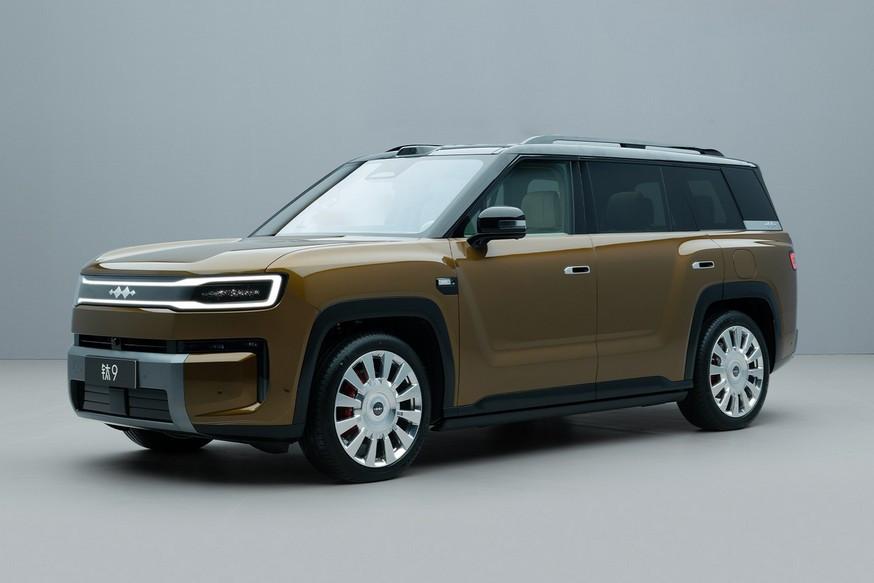
The Fang Cheng Bao T9 is positioned as a large SUV designed for customers who require generous interior space, long-distance capability, and electrified performance.
Measuring more than 17 feet, or approximately 5.18 meters, in length, the T9 has substantial road presence.
Its reported 66.5 kWh battery capacity is particularly noteworthy for a plug-in hybrid vehicle.
A battery of this size could provide considerable electric driving capability while retaining the flexibility of a gasoline-powered hybrid system.
Key Highlights
- Large plug-in hybrid SUV.
- Length exceeding 5.18 meters.
- Reported battery capacity: 66.5 kWh.
- Designed for family transportation and long-distance travel.
- Combines electric propulsion with gasoline-powered flexibility.
The T9 reflects the growing interest in large-battery plug-in hybrid vehicles that bridge the gap between conventional SUVs and fully electric models.
4. BYD Seal 08 – A High-Performance Premium Sedan
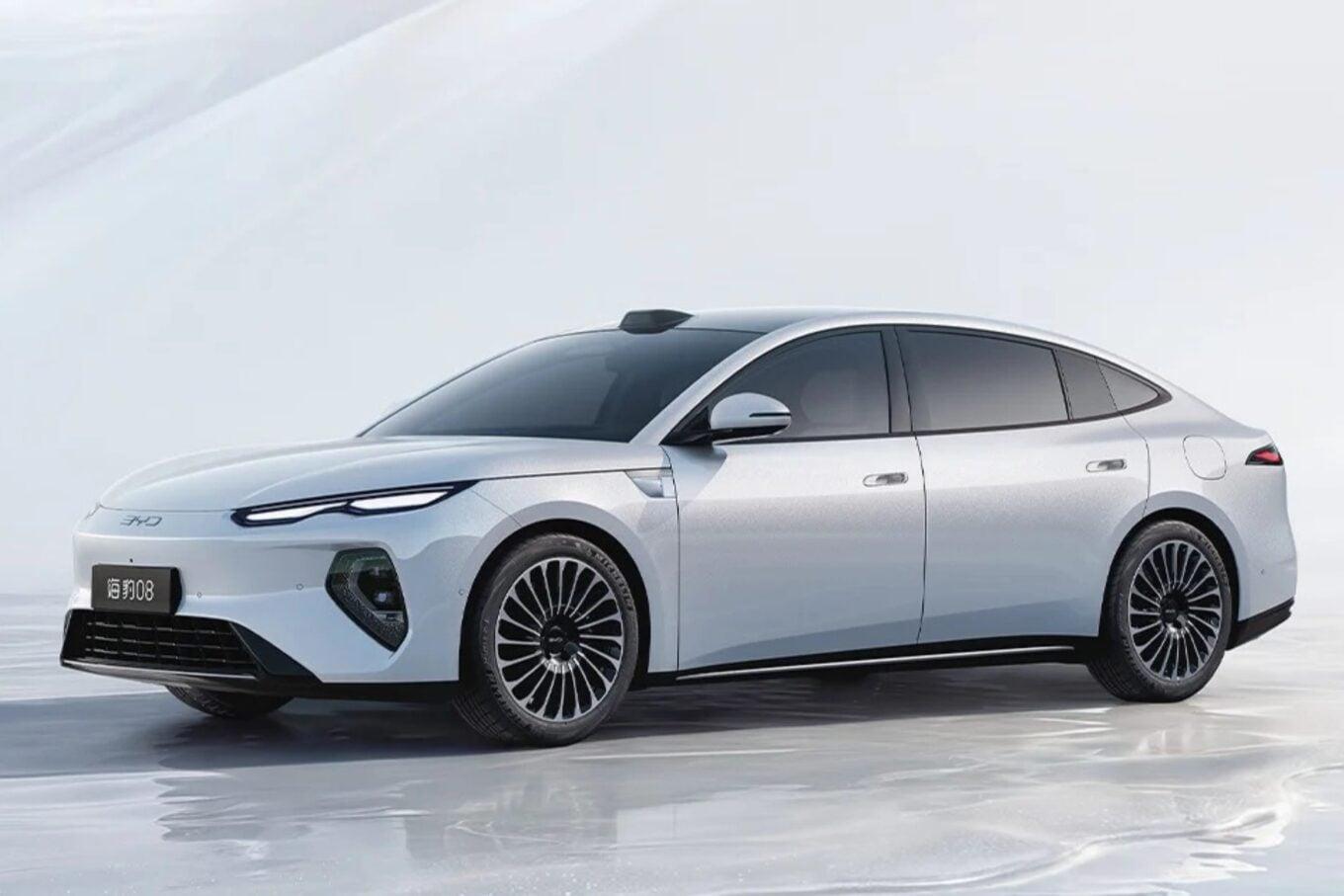
The BYD Seal 08 is designed to combine powerful electric performance with advanced chassis technology and premium driving comfort.
The vehicle reportedly delivers up to 680 horsepower, placing it within the high-performance electric sedan category.
Its advanced equipment includes rear-wheel steering and dual-chamber air suspension.
Rear-wheel steering can improve maneuverability at lower speeds and contribute to stability at higher speeds, while adjustable air suspension can enhance ride comfort.
Key Highlights
- Reported maximum power: 680 horsepower.
- Rear-wheel steering.
- Dual-chamber air suspension.
- Premium electric sedan positioning.
- Reported starting price: $29,000.
The Seal 08 could appeal to buyers who want premium driving technology without entering the traditional luxury-car price range.
5. BYD Sealion 08 – A Technology-Packed Family SUV

The BYD Sealion 08 takes a different approach by combining high-performance electric propulsion with family-oriented luxury features.
According to reported information, the SUV offers close to 800 horsepower in its higher-performance configuration.
Inside, passengers can enjoy premium entertainment and convenience features, including a built-in refrigerator and a large 21.4-inch ceiling-mounted entertainment screen.
These features are designed to make long journeys more comfortable and enjoyable for passengers.
Key Highlights
- Reported power output approaching 800 horsepower.
- 21.4-inch rear entertainment screen.
- Built-in refrigerator.
- Premium family-oriented cabin.
- Reported pricing below $41,000.
The Sealion 08 demonstrates how modern family SUVs are increasingly becoming mobile entertainment and relaxation spaces.
6. BYD Great Tang – A Powerful Seven-Seat Electric SUV

The BYD Great Tang, also referred to as the BYD Datang, represents the company’s ambitions in the large premium SUV segment.
The vehicle reportedly offers up to 784 horsepower and a maximum CLTC driving range approaching 600 miles, or approximately 966 kilometers.
Its seven-seat configuration makes it particularly interesting for larger families and customers who need additional passenger space.
With a reported price of approximately $35,000, the Great Tang could become a competitive alternative to more expensive large electric SUVs.
Key Highlights
- Seven-seat electric SUV.
- Reported maximum power: 784 horsepower.
- Claimed CLTC range approaching 966 kilometers.
- Spacious family-oriented interior.
- Estimated price: $35,000.
As with all CLTC range figures, actual driving distance will depend on road conditions, driving speed, temperature, vehicle load, and other factors.
7. Denza Z9S – Luxury, Performance, and Long-Distance Capability

Denza is one of BYD’s premium automotive brands, targeting customers who prioritize sophisticated design, advanced technology, and high-performance electrification.
The Denza Z9S reportedly offers configurations capable of producing up to 1,194 horsepower or achieving a driving range of approximately 1,100 kilometers.
These maximum figures may apply to different powertrain configurations rather than a single version of the vehicle.
The Z9S demonstrates Denza’s ambition to compete in the premium automotive market through a combination of luxury and technological innovation.
Key Highlights
- Reported maximum power: 1,194 horsepower.
- Claimed range of up to 1,100 kilometers in a relevant configuration.
- Premium automotive positioning.
- Advanced electrified powertrain technology.
- Performance and long-distance driving options.
The Denza Z9S could become an interesting alternative for customers considering premium electrified vehicles.
8. BYD Great Han – A New Approach to Flagship Luxury Sedans

The BYD Great Han, also known as the BYD Dahan, is positioned as a large flagship sedan.
Its reported exterior length exceeds that of a Mercedes-Benz S-Class, highlighting BYD’s ambition to compete in the full-size luxury sedan segment.
Despite its substantial dimensions and premium positioning, the Great Han reportedly carries a starting price below $40,000.
The vehicle reflects a growing trend among Chinese manufacturers to offer larger, more technologically advanced sedans at competitive domestic prices.
Key Highlights
- Full-size flagship sedan.
- Reported length exceeding a Mercedes-Benz S-Class.
- Premium vehicle positioning.
- Reported starting price below $40,000.
- Focus on luxury and passenger comfort.
The Great Han could challenge conventional expectations about how much a large premium sedan should cost.
9. Denza Z Racing – An Electric Supercar With Extraordinary Acceleration

The Denza Z Racing represents one of BYD’s most ambitious high-performance automotive projects.
According to reported specifications, the vehicle uses three electric motors capable of producing more than 1,580 horsepower.
Its claimed acceleration from 0 to 100 km/h is approximately 1.96 seconds.
Such figures would place the vehicle among the world’s fastest-accelerating automobiles if independently demonstrated under comparable testing conditions.
Key Highlights
- Three electric motors.
- Reported power output exceeding 1,580 horsepower.
- Claimed 0–100 km/h acceleration: 1.96 seconds.
- Electric supercar positioning.
- Advanced high-performance engineering.
The Denza Z Racing demonstrates how electric propulsion is opening new possibilities for automotive performance.
However, production specifications and independently verified performance results should be confirmed before making direct comparisons with established supercars.
10. Yangwang U7 – Advanced Technology in a Flagship Luxury Sedan
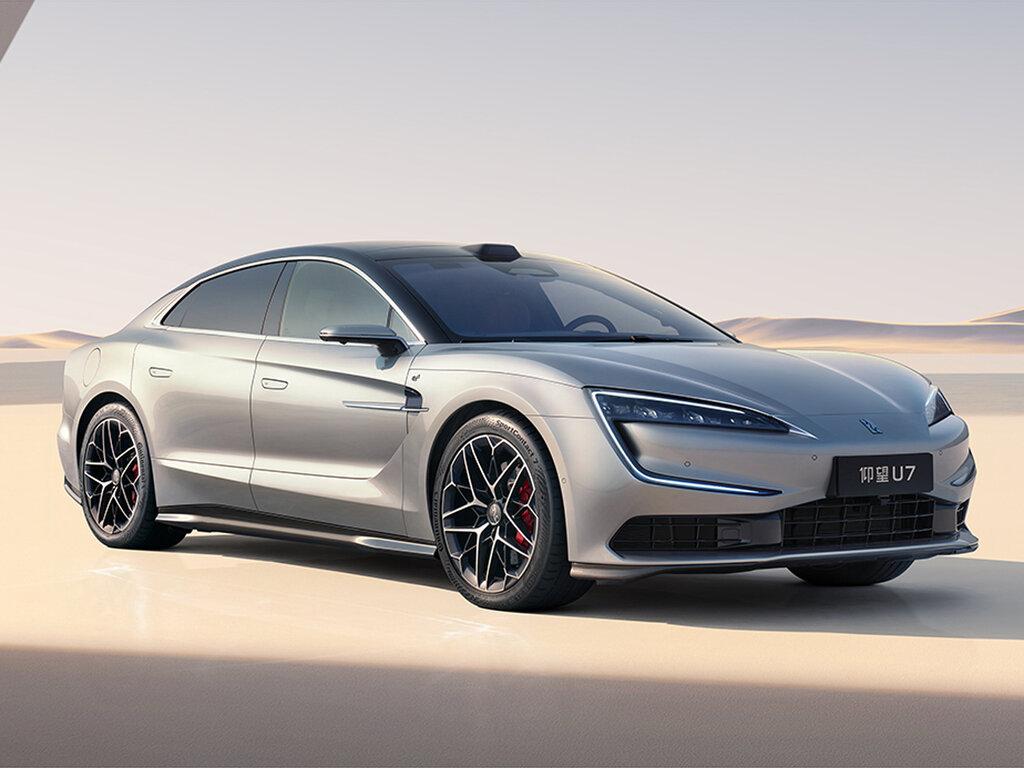
At the premium end of BYD’s automotive portfolio is Yangwang, a brand focused on advanced engineering and luxury vehicles.
The Yangwang U7 incorporates sophisticated suspension and vehicle-control technologies intended to improve comfort, stability, and maneuverability.
The vehicle has been associated with demonstrations involving tire-failure stability, advanced body control, and highly maneuverable turning capabilities.
Its suspension technology has also been described as capable of making rapid adjustments in response to changing driving conditions.
Key Highlights
- Flagship luxury sedan.
- Advanced electronically controlled suspension.
- Sophisticated vehicle stability technology.
- Reported tire-failure stability capabilities.
- Advanced low-speed maneuverability.
These technologies illustrate how software, electric motors, and intelligent chassis systems are becoming increasingly important in modern automotive engineering.
Nevertheless, specialized demonstrations should not be interpreted as guarantees of safety in every real-world driving situation.
BYD’s 10 New Vehicles at a Glance
| Vehicle | Reported Highlight | Reported China Price |
|---|---|---|
| BYD Qin Max | Ultra-fast charging | Around $15,000 |
| Fang Cheng Bao Formula S | 657 hp | Around $28,000 |
| Fang Cheng Bao T9 | 66.5 kWh PHEV battery | Not specified |
| BYD Seal 08 | 680 hp | From $29,000 |
| BYD Sealion 08 | Nearly 800 hp | Below $41,000 |
| BYD Great Tang | 784 hp and seven seats | Around $35,000 |
| Denza Z9S | Up to 1,194 hp | Not specified |
| BYD Great Han | Full-size luxury sedan | Below $40,000 |
| Denza Z Racing | Over 1,580 hp | Not specified |
| Yangwang U7 | Advanced chassis technology | Not specified |
Prices and specifications are reported figures and may vary by configuration, production status, and market.
Why BYD’s Automotive Strategy Is Important
BYD’s expansion is particularly interesting because the company is targeting several automotive markets simultaneously.
Its mainstream vehicles focus on affordability and practical electric mobility, while Fang Cheng Bao targets distinctive performance and SUV segments.
Denza focuses on premium electrified vehicles, and Yangwang represents the company’s most advanced luxury and engineering ambitions.
This multi-brand strategy allows BYD to introduce different technologies and vehicle designs for customers with different budgets and preferences.
Could Ultra-Fast Charging Change the Future of Electric Vehicles?
Charging time remains an important consideration for many potential electric vehicle buyers.
If ultra-fast charging systems become widely available, electric vehicles could offer a refueling experience that is increasingly comparable to conventional gasoline-powered cars.
However, achieving these charging speeds requires more than advanced vehicle batteries.
Compatible charging stations, sufficient electrical capacity, battery temperature management, and reliable charging infrastructure are also essential.
The availability of these systems will differ significantly between countries.
What These Vehicles Could Mean for the Global Automotive Market
The development of affordable electric sedans, powerful hybrid SUVs, and technologically advanced luxury vehicles could increase competition across the automotive industry.
Traditional manufacturers may face greater pressure to improve battery technology, charging performance, vehicle software, interior equipment, and pricing.
For consumers, increased competition could eventually lead to more choices and better value.
However, international buyers must also consider local vehicle availability, safety regulations, warranty coverage, charging compatibility, spare parts, and after-sales service.
A vehicle that offers excellent value in China may have a substantially different price and equipment configuration when exported to another country.
Final Thoughts
BYD’s growing portfolio demonstrates the speed at which China’s automotive industry is developing new electrified vehicles.
From the affordable Qin Max to the extraordinary Denza Z Racing and technologically advanced Yangwang U7, these vehicles represent different approaches to the future of transportation.
Their combination of reported performance, advanced battery technology, premium comfort, and competitive pricing makes them worth watching.
Whether these vehicles can deliver their advertised capabilities consistently in real-world conditions remains an important question.
Nevertheless, BYD’s continued investment in electrification and automotive engineering is likely to influence competition throughout the global automotive industry.
Disclaimer: This article is based on reported vehicle information. Some specifications, prices, model names, performance claims, and launch details may be preliminary or subject to change. Readers should confirm the latest information through official manufacturer announcements and independent vehicle testing.