
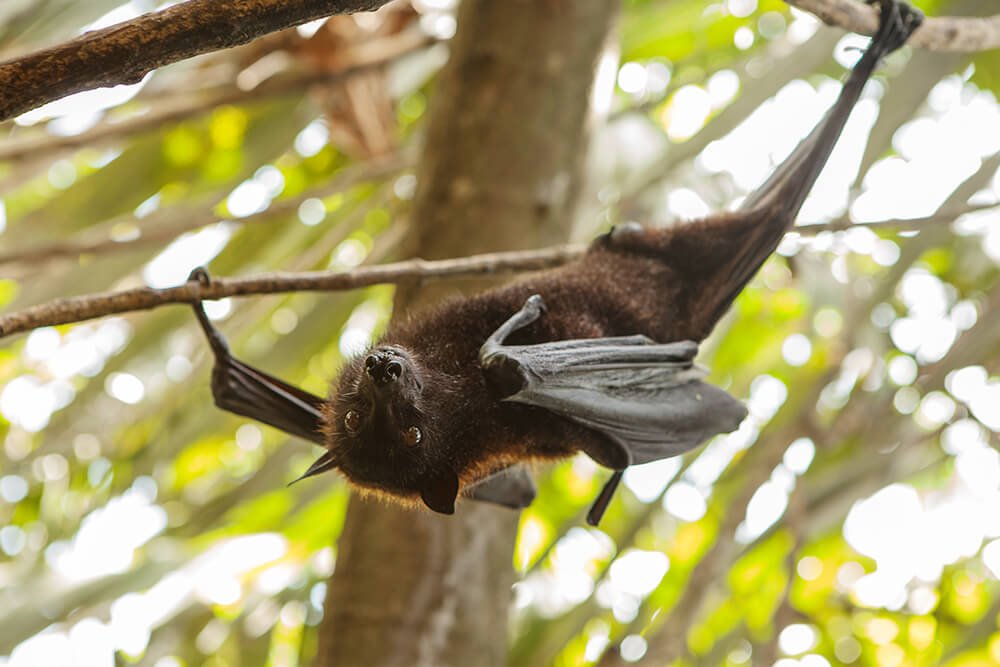
Bats are among the most fascinating mammals on Earth. Unlike birds, bats are warm-blooded mammals that give birth to live young and nurse them with milk. What makes them truly unique is that they are the only mammals capable of sustained, powered flight. This ability allows them to travel long distances, hunt efficiently at night, and adapt to a wide range of environments.
With more than 1,400 known species worldwide, bats make up nearly one quarter of all mammal species on the planet. They can be found almost everywhere except extreme polar regions and some isolated islands. From tropical rainforests to deserts and even busy cities, bats have successfully adapted to many habitats.
🧬 What Makes Bats Different?
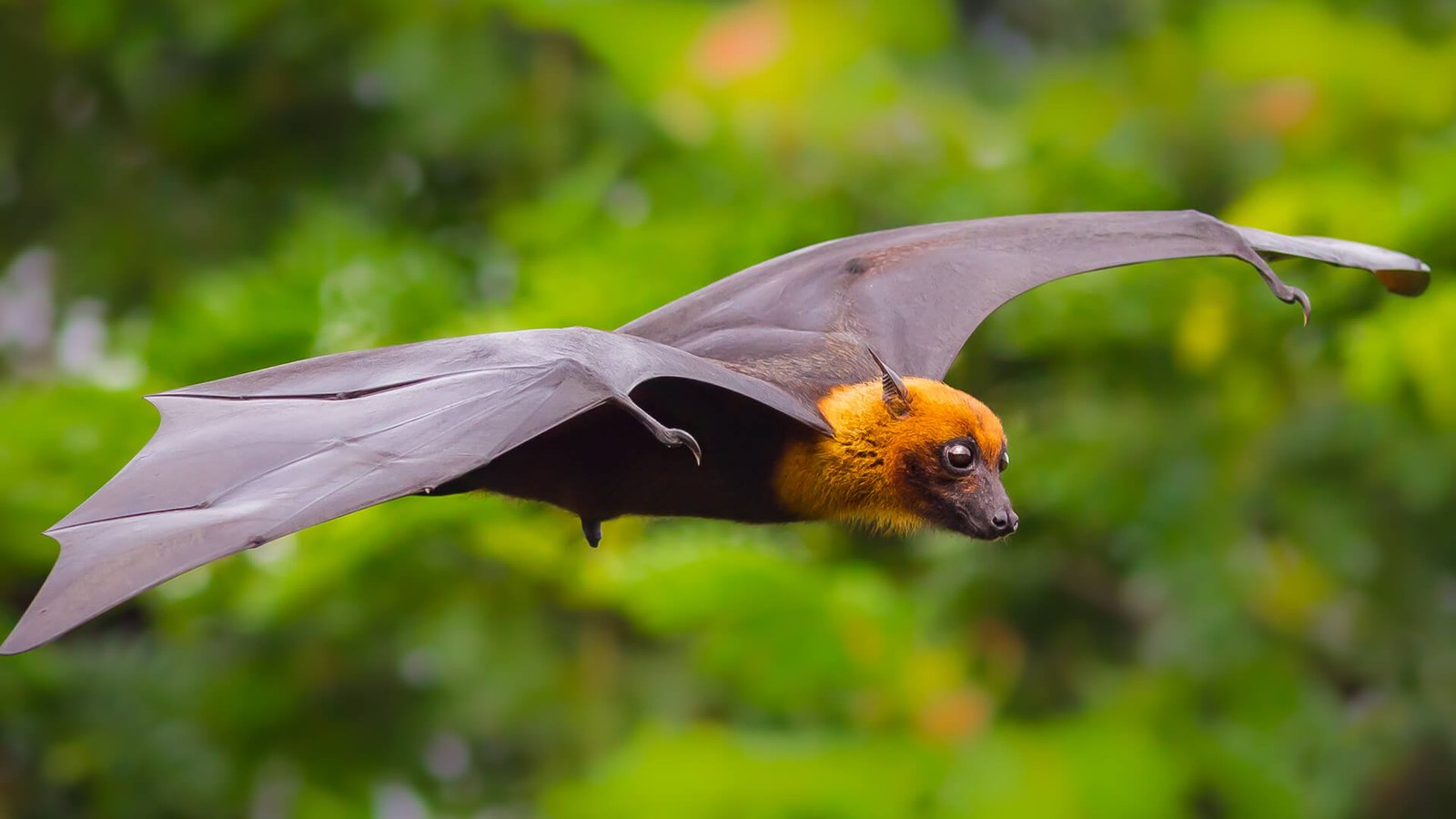
Bats belong to the scientific order Chiroptera, which means “hand wing.” Their wings are formed by elongated finger bones covered by a thin membrane of skin. This structure allows them to maneuver with impressive agility in the air.
Unlike birds, bats have fur instead of feathers and flexible wing membranes rather than rigid wings. Their lightweight skeleton and powerful chest muscles support flight while maintaining mammalian traits.
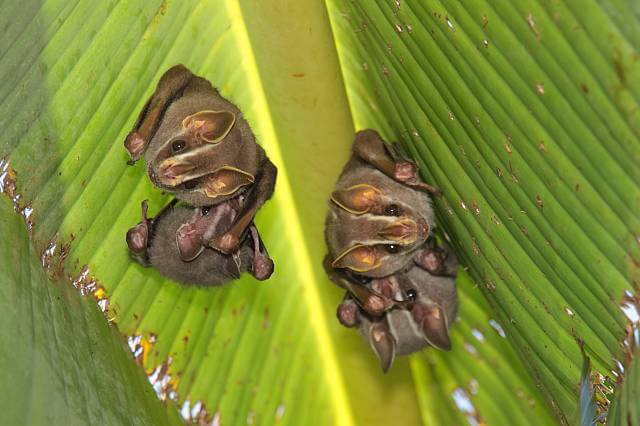
Most bats are nocturnal, meaning they are active at night. During the day, they rest in places called roosts, which may include caves, hollow trees, rock crevices, or even buildings.
🌍 Where Do Bats Live?
Bats are highly adaptable and can survive in a wide variety of environments:
-
Dense tropical forests
-
Mountain regions
-
Grasslands
-
Wetlands
-
Urban areas
Many species prefer dark, quiet roosting locations such as caves or abandoned structures. Some bats migrate seasonally to find warmer temperatures or better food supplies, while others hibernate during cold months.
🍎 What Do Bats Eat?
Not all bats eat the same food. Their diets depend on their species and habitat.
🐜 Insect-Eating Bats
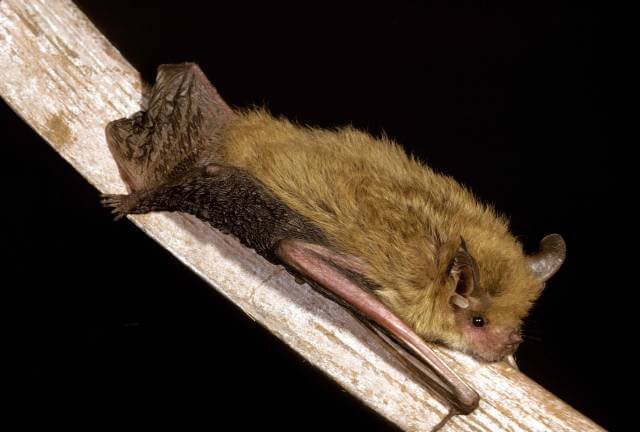
The majority of bat species feed on insects. They consume mosquitoes, moths, beetles, and other night-flying insects. A single small bat can eat hundreds of insects in just one hour. This makes bats extremely important for natural pest control.
🍓 Fruit and Nectar-Eating Bats
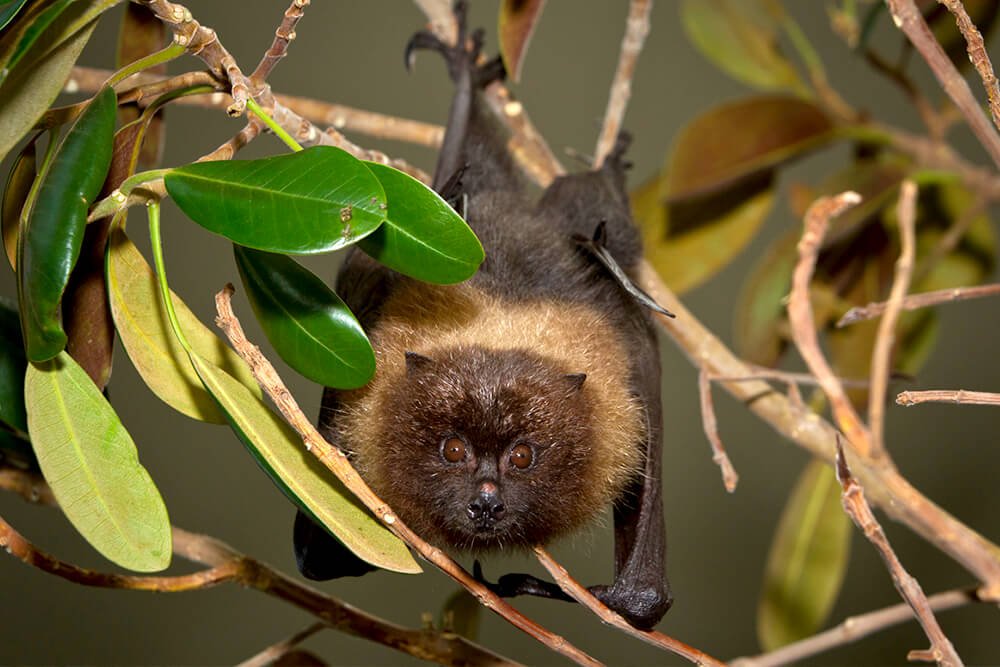
Some bats feed on fruit, nectar, and pollen. These bats play a critical role in pollination and seed dispersal. Many tropical plants rely on bats to reproduce and spread.
🐟 Other Diets
A small number of bat species eat fish, frogs, or small animals. A few species consume blood, but these are rare and typically feed on livestock rather than humans.
🔊 How Bats Navigate in the Dark
One of the most remarkable bat abilities is echolocation. Many bat species produce high-frequency sounds that bounce off objects in their environment. By listening to the returning echoes, bats can detect the size, distance, and movement of insects or obstacles.
This biological sonar system allows bats to hunt in complete darkness with extraordinary precision.
👶 Bat Family Life
Bats typically give birth to one pup per year. Mothers care for their young in nursery colonies, where many female bats gather together. Baby bats cling to their mothers or remain in the roost until they are strong enough to fly.
Some bat species form long-term social bonds and show complex social behaviors. Communication among bats can include vocal calls, scent signals, and body movements.
🌿 Why Bats Are Important to the Environment
Bats are essential for healthy ecosystems. Their contributions include:
🌾 Natural Pest Control
By eating large quantities of insects, bats help farmers reduce crop damage and decrease reliance on pesticides.
🌸 Pollination
Fruit- and nectar-feeding bats pollinate flowers and support the growth of plants such as bananas, mangoes, and agave.
🌱 Seed Dispersal
Bats spread seeds across forests, helping regenerate damaged landscapes and maintain biodiversity.
Without bats, many ecosystems would struggle to stay balanced.
⚠️ Threats Facing Bats
Despite their importance, bats face many challenges:
-
Habitat destruction
-
Pollution
-
Climate change
-
Disturbance of roosting sites
-
Disease outbreaks
Conservation programs aim to protect bat habitats, educate the public, and reduce unnecessary fear surrounding these misunderstood animals.
🧠 Common Misunderstandings About Bats
Bats are often unfairly associated with fear or danger. In reality:
-
Most bats avoid humans
-
Very few species pose any threat
-
They are shy and beneficial creatures
Education helps replace myths with facts and encourages protection rather than fear.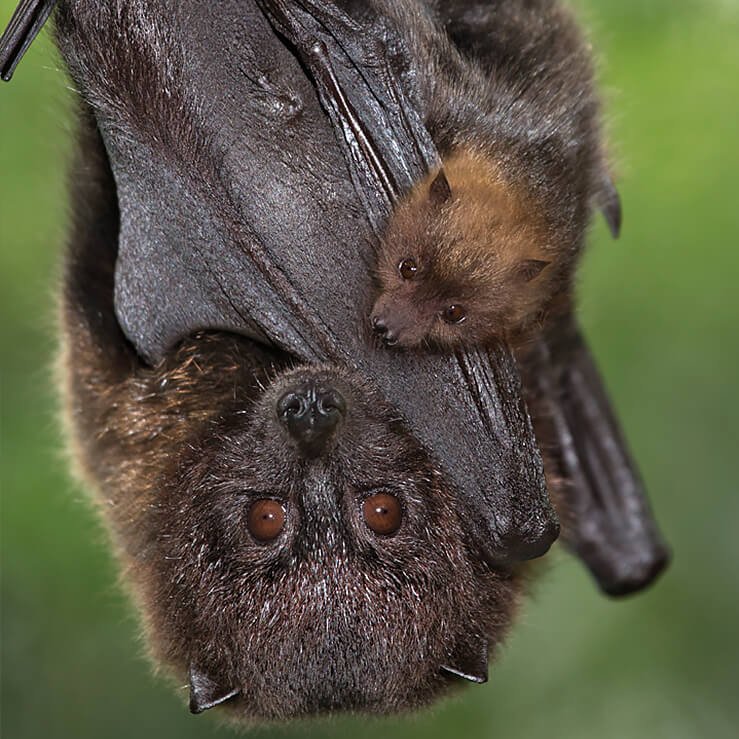
🌟 Conclusion
Bats are extraordinary mammals that combine flight, intelligence, and ecological importance. Their ability to control insects, pollinate plants, and regenerate forests makes them one of nature’s most valuable animals.
Understanding bats helps us appreciate their role in maintaining environmental balance. Protecting bats means protecting ecosystems and supporting biodiversity around the world.
Leave a Reply