
Health & Sex
-

Building Long-Term Intimacy
Long-term intimacy does not happen automatically. It grows through consistent effort, mutual respect, and emotional connection over time. While attraction may bring people together, it is trust, communication, and shared experiences that keep relationships strong for years. Building lasting intimacy means choosing each other daily—through both easy and challenging moments. 1. Trust as the Foundation
-

Healthy Ways to Explore Desire
Desire is a natural and meaningful part of being human. It can be emotional, physical, or both, and it varies from person to person. Exploring desire in healthy ways helps individuals better understand themselves, strengthen relationships, and build confidence. When guided by respect, communication, and self-awareness, desire becomes a positive and empowering experience. Start With
-

How Confidence Impacts Your Intimate Life
Confidence plays a powerful role in every area of life, including intimacy. How you see yourself often influences how you connect with others. When you feel secure, valued, and comfortable in your own skin, intimacy becomes more natural, open, and fulfilling. On the other hand, low confidence can create hesitation, fear, and emotional distance. Understanding
-
The Importance of Boundaries in Adult Relationships
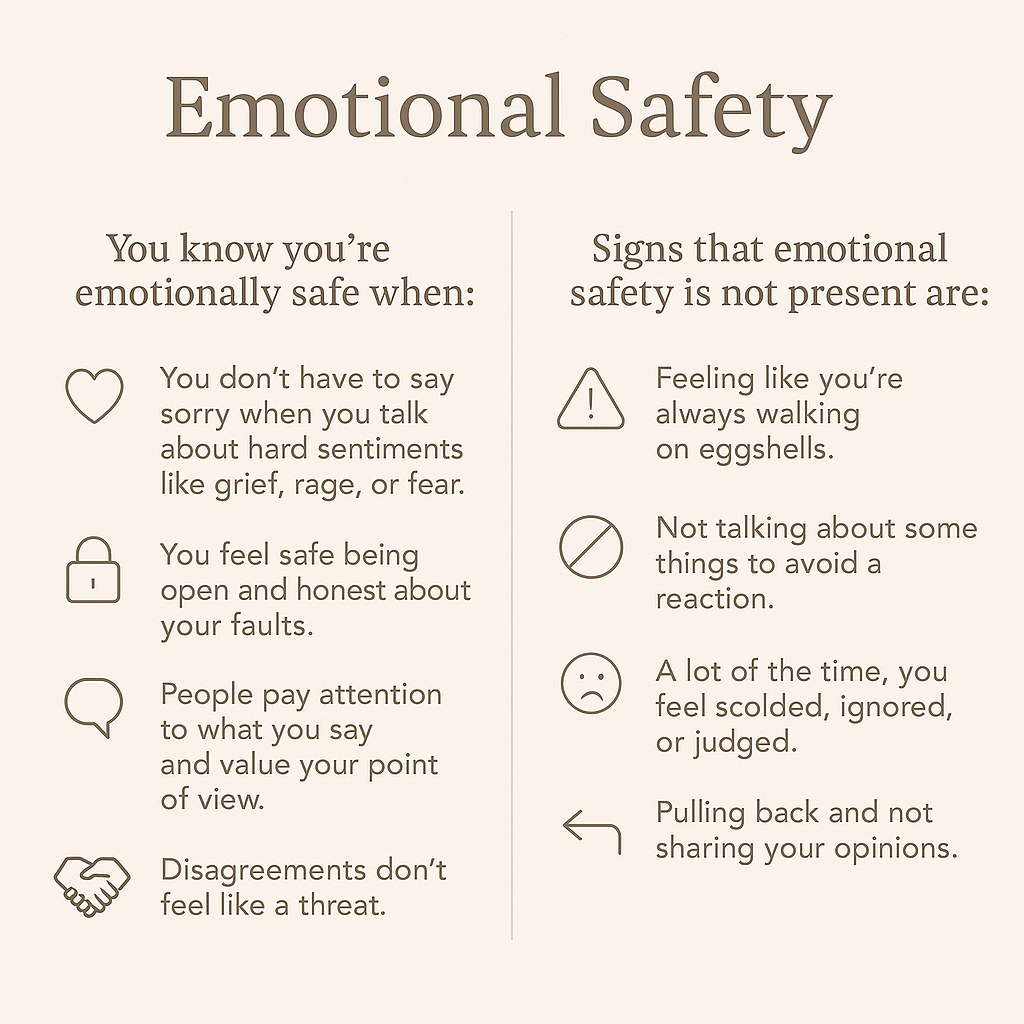
Healthy adult relationships are built on trust, communication, and mutual respect. One of the most essential—but often misunderstood—elements of a strong relationship is boundaries. Boundaries protect emotional safety, personal comfort, and mental well-being. Without them, relationships can become confusing, overwhelming, or unbalanced. Understanding and respecting boundaries helps partners feel secure and valued. What Are Boundaries?
-

How Stress Affects Intimacy
Stress is a normal part of life, but when it becomes constant or overwhelming, it can quietly weaken intimacy in relationships. Emotional closeness, communication, and physical connection often suffer when stress takes priority. Understanding how stress affects intimacy—and how to manage it—can help couples reconnect and protect their bond. How Stress Shows Up in Relationships
-

Emotional Intimacy vs Physical Intimacy
Intimacy is a key part of close relationships, but it’s often misunderstood as being only physical. In reality, intimacy has different forms, and the two most discussed are emotional intimacy and physical intimacy. While both are important, they serve different purposes and affect relationships in unique ways. Understanding the difference helps couples build deeper, healthier,
-

Common Myths About Sexual Health
Sexual health is an important part of overall well-being, yet it is often surrounded by myths and misunderstandings. These false beliefs can create stress, shame, and confusion, affecting self-confidence and relationships. Understanding the facts helps replace fear with knowledge and supports healthier choices. Myth 1: Sexual Health Is Only About Physical Activity Sexual health is
-

Understanding Consent in Modern Relationships
Consent is the foundation of healthy, respectful relationships. In today’s world—where relationships take many forms and communication happens both online and offline—understanding consent clearly and correctly is more important than ever. Consent isn’t a one-time checkbox; it’s an ongoing, mutual process rooted in respect, communication, and care. This article explains what consent means in modern
-

What Is Sexual Wellness and Why It Matters
Sexual wellness is an important part of overall health, yet it is often misunderstood or overlooked. It is not only about physical intimacy—it includes emotional balance, mental well-being, self-confidence, communication, consent, and respect. When sexual wellness is understood and nurtured, it can positively influence relationships, self-esteem, and quality of life. This article explains what sexual
-

Healthy Ways to Explore Desire
Desire is a natural part of being human. It can be emotional, physical, mental, or a combination of all three. Exploring desire in healthy ways helps people better understand themselves, strengthen relationships, and build confidence. When approached with respect, communication, and self-awareness, desire can be a positive and empowering experience. This article explores healthy, balanced
-

Reasons for Feeling Guilty After Sex
Feeling guilty after sex is more common than many people realize. Studies show that around 40–46% of both men and women experience post-sex guilt or low mood at least once in their lifetime. This experience is often linked to emotions, beliefs, past experiences, and biology, not because something is “wrong.” The 6 Main Reasons: 1.
-

Why Men Fall Asleep After Sex
Men often feel very sleepy after sex mainly because of biology and hormones, not because they’re bored or uninterested. Key reasons: After orgasm, men release a hormone called prolactin, which causes relaxation, reduced arousal, and sleepiness. Prolactin levels are much higher after sex than after masturbation, making men more tired. Other hormones also play a