

Consent is the foundation of healthy, respectful relationships. In today’s world—where relationships take many forms and communication happens both online and offline—understanding consent clearly and correctly is more important than ever. Consent isn’t a one-time checkbox; it’s an ongoing, mutual process rooted in respect, communication, and care.
This article explains what consent means in modern relationships and how practicing it strengthens trust and connection.
What Consent Really Means
Consent is a clear, voluntary, and informed agreement between people to participate in an activity together. It must be given freely—without pressure, manipulation, or fear—and it can be withdrawn at any time.
Key elements of consent:
-
Clear: expressed through words or unmistakable actions
-
Mutual: everyone involved agrees
-
Informed: all parties understand what they’re agreeing to
-
Reversible: anyone can change their mind
-
Specific: agreeing to one thing doesn’t mean agreeing to everything
Why Consent Matters
Consent protects emotional and physical well-being. It ensures that everyone involved feels safe, respected, and valued. When consent is practiced consistently, relationships become more trusting and fulfilling.
Healthy consent:
-
Reduces misunderstandings
-
Prevents harm and resentment
-
Builds emotional safety
-
Encourages honest communication
Consent Is Ongoing, Not a One-Time Event
In modern relationships, consent is a continuous conversation. Feelings, comfort levels, and circumstances can change—and consent should adapt accordingly.
Checking in can be simple and caring:
-
“Is this okay for you?”
-
“Do you want to continue?”
-
“How are you feeling right now?”
These questions show respect and attentiveness, not doubt.

Communication Is Central to Consent
Open communication makes consent clear and comfortable. Talking about boundaries, preferences, and expectations helps everyone understand where they stand.
Healthy communication includes:
-
Listening without judgment
-
Being honest about comfort levels
-
Respecting different needs
-
Accepting “no” without pressure
Clear communication turns consent into a shared understanding rather than an assumption.
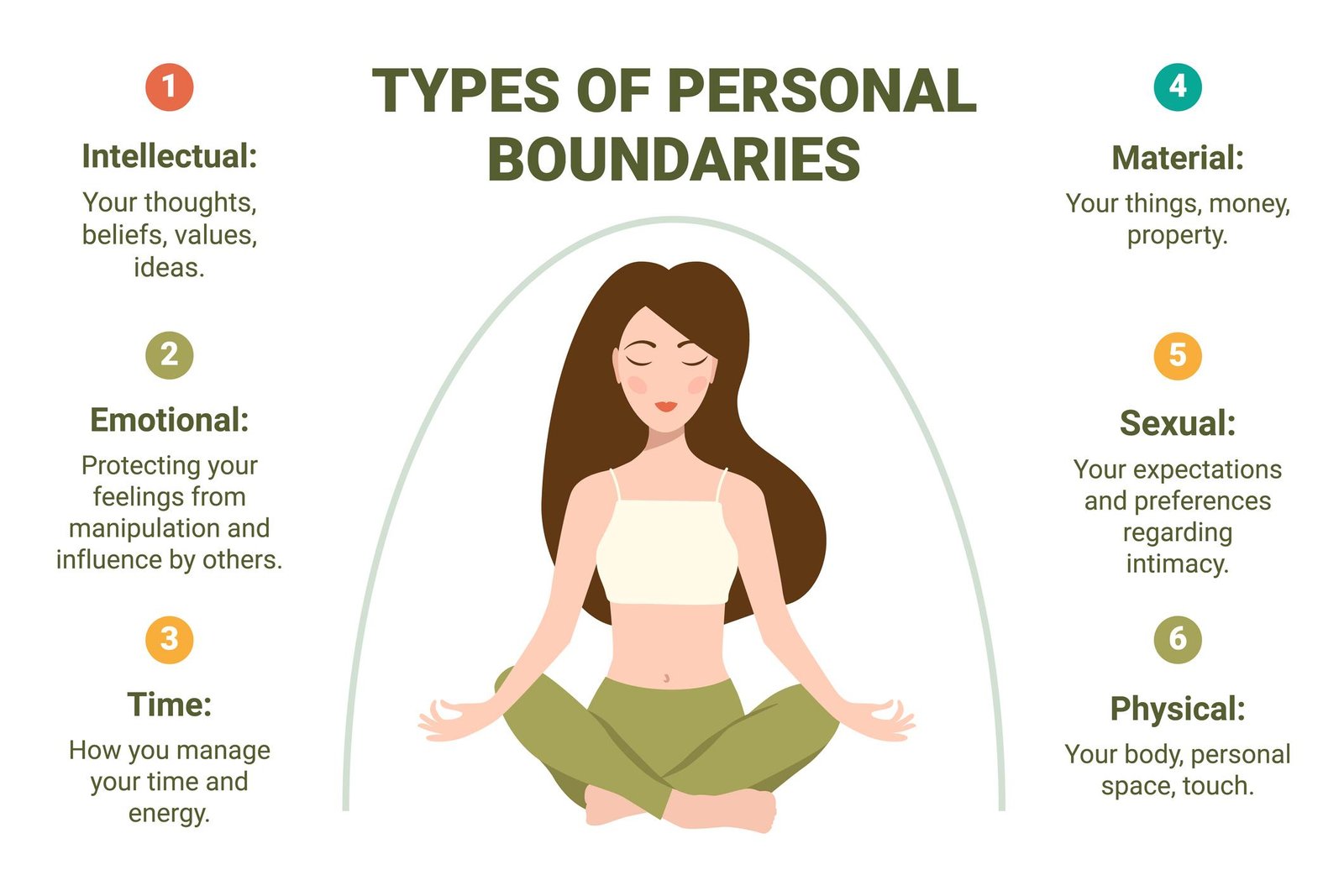
Recognizing and Respecting Boundaries
Boundaries define what feels right for each person. They may differ from one individual to another and can change over time. Respecting boundaries is essential to practicing consent.
Respect looks like:
-
Pausing when someone hesitates
-
Accepting limits without argument
-
Never assuming entitlement
-
Prioritizing comfort over expectations
Consent in Digital and Online Spaces
Modern relationships often include digital communication. Consent also applies online—whether it’s sharing messages, photos, or personal information.
Digital consent means:
-
Asking before sharing private content
-
Respecting privacy
-
Understanding that online pressure is still pressure
-
Accepting refusal without retaliation
Common Misunderstandings About Consent
Some myths can blur understanding:
-
Silence does not mean consent
-
Past agreement does not guarantee future consent
-
Being in a relationship does not remove the need for consent
-
Consent cannot be given under pressure or influence
Replacing myths with clear knowledge supports healthier relationships.
Building a Culture of Respect
Practicing consent consistently helps create relationships based on equality and care. It encourages empathy, accountability, and trust—values that strengthen both personal connections and broader communities.
Conclusion
Understanding consent in modern relationships means recognizing it as an ongoing, respectful exchange. When people communicate openly, honor boundaries, and prioritize mutual comfort, relationships become safer and more meaningful.
Consent isn’t about restriction—it’s about respect. And respect is what allows relationships to thrive.
Leave a Reply