

Every expectant parent hopes to welcome a healthy baby into the world. During pregnancy, a baby’s body and brain develop through a complex process influenced by genetics, maternal health, nutrition, environmental conditions, and access to appropriate healthcare.
The developing brain begins forming very early in pregnancy and continues changing throughout fetal development, infancy, and childhood.
Although no single activity can guarantee that a baby will become more intelligent, maintaining healthy pregnancy habits can support normal development and help reduce preventable health risks.
Eating nutritious foods, taking recommended prenatal supplements, communicating with the unborn baby, enjoying relaxing activities, and managing stress are all ways parents can care for themselves and prepare for their child’s arrival.
Here are six practical habits that may help support a healthy pregnancy.
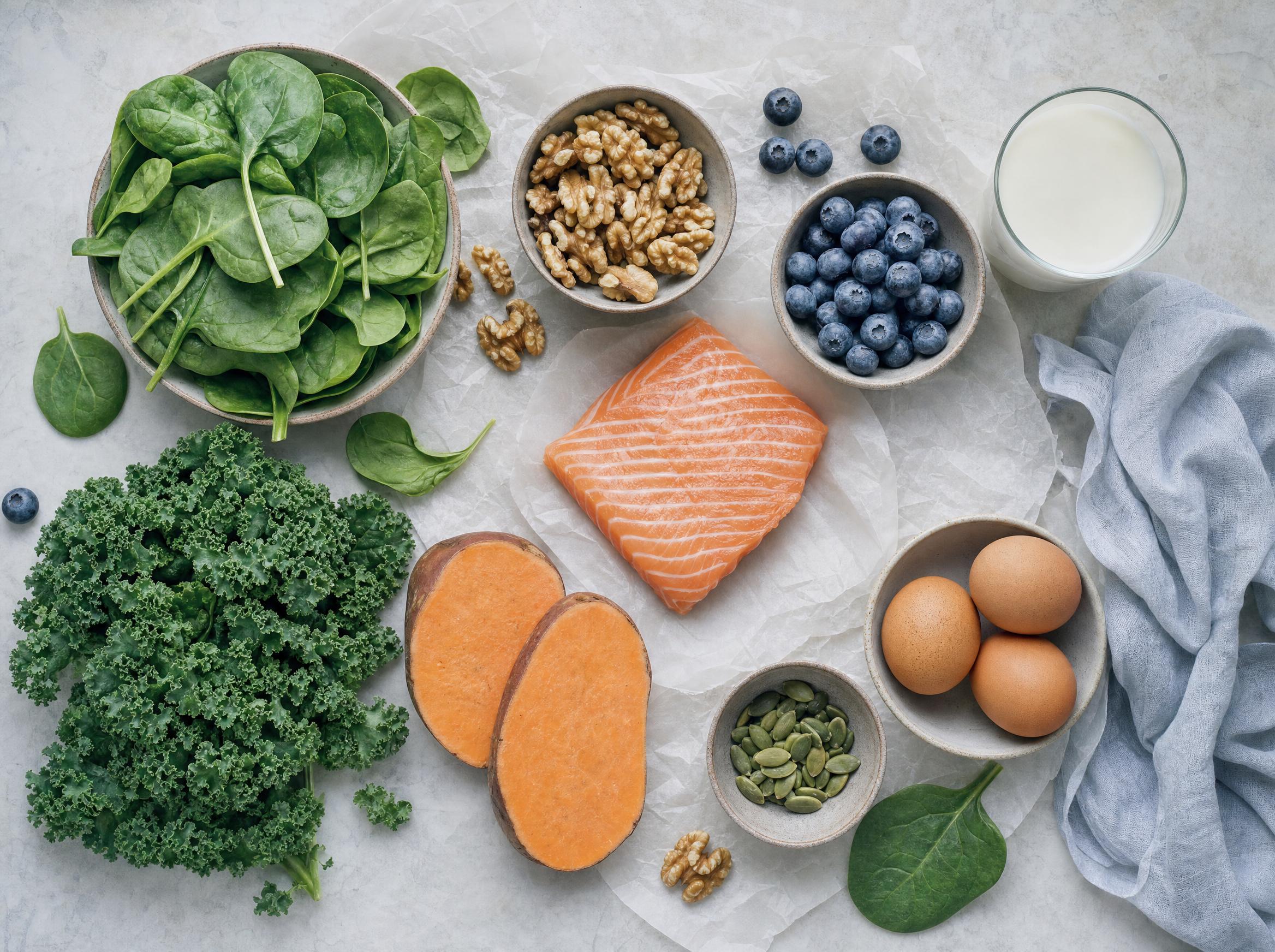
1. Eat a Balanced and Varied Diet Every Day
Good nutrition is one of the foundations of a healthy pregnancy.
During pregnancy, the body requires additional nutrients to support the growing baby, placenta, maternal blood volume, and other physiological changes.
Eating a variety of nutritious foods helps provide the vitamins, minerals, proteins, and healthy fats needed for these processes.
Protein Supports Growth and Development
Protein provides amino acids that the body uses to build and repair tissues.
During pregnancy, adequate protein intake supports the growth of fetal tissues and maternal structures.
Useful protein sources include fully cooked fish, lean meat, poultry, eggs, beans, lentils, tofu, and dairy products.
Eating a variety of protein-rich foods can also provide important nutrients such as iron, zinc, vitamin B12, and choline.
Fish Can Provide Important Nutrients
Certain fish contain omega-3 fatty acids, including DHA, which contributes to normal brain and eye development.
Low-mercury choices such as salmon, sardines, and trout can be included as part of a balanced pregnancy diet.
Pregnant women should avoid high-mercury fish and follow local food safety guidance.
Fish should be properly cooked to reduce the risk of foodborne illness.
Vegetables and Fruits Provide Vitamins and Fiber

Colorful vegetables and fruits contain nutrients that support general health.
Leafy greens, carrots, pumpkins, citrus fruits, bananas, and other produce can contribute vitamins, minerals, and dietary fiber.
Fiber may also help manage constipation, a common concern during pregnancy.
Washing produce thoroughly is important to reduce exposure to harmful microorganisms.
Choose Nutritious Meals Rather Than Eating Excessively
Pregnancy does not mean that a woman needs to eat twice as much food.
Calorie needs change depending on pregnancy stage, activity level, body size, and individual health circumstances.
The focus should be on food quality, adequate nutrition, and appropriate weight gain rather than simply increasing portion sizes.
A healthcare professional can provide personalized dietary guidance.
2. Take Recommended Prenatal Vitamins and Minerals

Even with a balanced diet, some nutrients can be difficult to obtain in sufficient amounts during pregnancy.
This is why healthcare professionals commonly recommend prenatal supplements.
These products may contain folic acid, iron, iodine, vitamin D, and other nutrients.
However, the exact formulation and dose should depend on individual needs and local medical guidance.
Folic Acid Supports Early Neural Development
Folic acid is especially important before conception and during early pregnancy.
It helps reduce the risk of neural tube defects, which affect the developing brain and spinal cord.
Many health authorities recommend that people who could become pregnant take 400 micrograms of folic acid daily, beginning before pregnancy.
Some individuals require higher doses under medical supervision.
Because the neural tube develops early, folic acid is most beneficial when adequate intake begins before conception.
Iron Helps Prevent Maternal Anemia
Iron is necessary for producing hemoglobin, which carries oxygen in the blood.
During pregnancy, the body’s iron requirements increase.
Inadequate iron intake can contribute to iron-deficiency anemia, which may cause fatigue, weakness, and other complications.
Iron supplements may be recommended depending on local guidelines and blood test results.
Iodine Is Important for Brain Development
Iodine supports the production of thyroid hormones.
These hormones play an essential role in fetal brain and nervous system development.
Pregnant women should ensure adequate iodine intake through appropriate foods or supplements recommended by their healthcare provider.
Avoid Taking Excessive Supplements
More vitamins do not necessarily mean better health.
Excessive amounts of certain nutrients, particularly preformed vitamin A, can be harmful during pregnancy.
Pregnant women should avoid combining multiple supplements without medical advice.
It is also important to discuss herbal products and other nonprescription supplements with a healthcare professional before use.
3. Talk, Read, and Communicate With Your Baby During Pregnancy
Many expectant parents enjoy talking to their unborn baby.
This may involve greeting the baby in the morning, describing daily activities, or reading a favorite story aloud.
Although these activities cannot guarantee higher intelligence, they can help parents feel emotionally connected to their developing child.
When Can Babies Begin Hearing Sounds?
The fetal auditory system develops gradually during pregnancy.
As pregnancy progresses, the baby becomes increasingly capable of responding to sounds, including familiar voices and noises from the surrounding environment.
By the third trimester, many fetuses can respond to certain external sounds.
Research suggests that newborns may recognize aspects of familiar voices or sound patterns heard before birth.
However, recognizing a familiar sound is different from understanding spoken language.
Why Talking May Be Meaningful
Talking to an unborn baby can create a positive bonding experience for parents.
For example, a mother might gently say good morning while preparing breakfast.
A father might read a short story or speak softly near the mother’s abdomen.
These activities can encourage parents to think about their baby’s arrival and begin developing a relationship.
Does Reading to an Unborn Baby Increase Intelligence?
There is no convincing evidence that reading stories during pregnancy directly increases a child’s intelligence or academic ability.
Nevertheless, reading can be a relaxing and enjoyable activity for expectant parents.
It may also encourage families to continue reading together after birth, when responsive interaction and language exposure become especially important.
4. Enjoy Gentle Music and Relaxing Sounds

Music can be an enjoyable part of everyday life, including during pregnancy.
Some expectant mothers find that listening to familiar songs, gentle melodies, or calming instrumental music helps them relax.
Because emotional well-being is important during pregnancy, enjoyable activities that reduce everyday tension may be beneficial.
Can Babies Hear Music in the Womb?
As the fetal hearing system develops, sounds from outside the body can become audible, although they are filtered and altered by maternal tissues and surrounding fluid.
Some fetuses respond to sounds with movement or changes in activity.
However, these responses do not prove that the music is making the baby more intelligent.
The Truth About Music and Baby Intelligence
The idea that listening to classical music during pregnancy will produce a smarter baby is not supported by strong scientific evidence.
Music should be enjoyed for comfort, relaxation, and personal pleasure rather than treated as a method for increasing intelligence.
Safe Ways to Enjoy Music
Pregnant women can listen to music at comfortable, ordinary volumes.
There is no need to place headphones or speakers directly against the abdomen.
Avoid prolonged exposure to excessively loud environments, since intense noise exposure may pose risks.
If music helps the mother relax, it can be a pleasant addition to her daily routine.
5. Gently Touch Your Belly and Build a Connection With Your Baby

As pregnancy progresses, many parents enjoy gently placing their hands on the growing abdomen.
A mother may notice the baby’s movements and instinctively respond by touching her belly.
Partners may also participate by placing a hand on the abdomen when invited.
These moments can create a sense of closeness and anticipation.
Emotional Benefits of Gentle Touch
Gentle belly touching may help some expectant parents feel more connected to the pregnancy.
It can also encourage shared experiences between partners.
For example, a couple may spend a few quiet minutes talking about the baby while resting together.
These interactions can support emotional bonding and create positive memories.
Does Belly Rubbing Improve Brain Development?
There is no established evidence that rubbing the abdomen makes a baby smarter.
Although fetuses can respond to some forms of stimulation, these responses should not be interpreted as proof of improved intelligence or neurological development.
The main benefit of gentle touch is likely related to parental comfort and emotional connection.
Important Safety Considerations
Touching the abdomen gently is generally different from applying strong pressure or performing deep abdominal massage.
Avoid forceful pressure, painful massage, or attempts to manipulate the baby’s position without medical supervision.
Anyone experiencing abdominal pain, vaginal bleeding, contractions, or other concerning symptoms should seek medical advice.
6. Support Emotional Well-Being and Manage Stress
Pregnancy brings many physical, emotional, and lifestyle changes.
Hormonal changes, fatigue, nausea, discomfort, financial concerns, and uncertainty about childbirth may affect emotional well-being.
Feeling worried or emotional occasionally is common.
However, persistent or severe stress deserves attention.
Why Maternal Mental Health Matters
Mental health is an important component of prenatal care.
Research has found associations between severe or prolonged maternal stress and certain pregnancy or developmental outcomes, although these relationships are complex and influenced by many factors.
Ordinary moments of sadness, frustration, or worry do not mean that a mother has harmed her baby.
Pregnant women should not feel pressured to remain happy all the time.
Instead, the goal is to create a supportive environment where emotional concerns can be discussed and addressed.
Healthy Ways to Reduce Stress
Simple daily activities may help improve emotional well-being.
These include:
- Getting adequate rest.
- Spending time with supportive family members.
- Taking gentle walks when medically appropriate.
- Practicing relaxation or breathing exercises.
- Enjoying hobbies and pleasant activities.
- Talking openly about worries and concerns.
- Seeking professional support when needed.
Physical activity during pregnancy can offer health benefits, but exercise plans should be appropriate for the individual’s medical condition.
How Partners Can Provide Support
Partners can play an important role in creating a supportive pregnancy experience.
Helping with household responsibilities, attending prenatal appointments, preparing nutritious meals, and listening without judgment can reduce everyday burdens.
Small acts of care may be more meaningful than expensive gifts.
Pregnancy is also a shared family experience, and practical support can strengthen relationships.
When to Seek Mental Health Support
Persistent sadness, intense anxiety, panic symptoms, hopelessness, or difficulty functioning should be discussed with a healthcare professional.
Depression and anxiety during pregnancy are treatable conditions.
Early support can benefit both maternal health and family well-being.
Additional Healthy Pregnancy Habits Worth Remembering
Alongside these six habits, several other practices are important for a healthy pregnancy.
Attend Regular Prenatal Appointments
Routine prenatal care allows healthcare professionals to monitor maternal health and fetal growth.
Appointments may include blood pressure checks, laboratory testing, ultrasound examinations, and screening for pregnancy complications.
Avoid Alcohol, Smoking, and Recreational Drugs
Alcohol exposure during pregnancy can harm fetal development, and there is no established safe amount of alcohol during pregnancy.
Smoking and exposure to tobacco smoke are also associated with serious pregnancy risks.
Pregnant women should discuss substance exposure and cessation support with a qualified healthcare professional.
Follow Food Safety Recommendations
Pregnancy can increase vulnerability to certain foodborne infections.
Avoid unpasteurized dairy products, undercooked meat, and other high-risk foods.
Wash produce thoroughly and follow safe food storage practices.
Get Appropriate Vaccinations
Recommended vaccinations during pregnancy can protect the mother and, in some cases, help protect the newborn.
Vaccination recommendations vary by country, medical history, and pregnancy stage.
Discuss the appropriate schedule with a healthcare professional.
Recognize Pregnancy Warning Signs
Seek urgent medical care for symptoms such as heavy vaginal bleeding, severe abdominal pain, seizures, severe headache with visual changes, difficulty breathing, or a significant reduction in fetal movement after a regular movement pattern has developed.
Prompt medical evaluation can be important for protecting maternal and fetal health.
Can Parents Guarantee That Their Baby Will Be Born Intelligent?
Intelligence is influenced by a complex combination of genetic, biological, environmental, educational, and social factors.
There is no scientifically proven prenatal routine that guarantees a particular intelligence level.
Healthy pregnancy practices are important because they support normal development and help reduce certain risks.
After birth, responsive caregiving, adequate nutrition, safe environments, sleep, play, and learning opportunities continue to influence development.
Rather than focusing on producing an exceptionally intelligent child, parents can aim to provide the best possible conditions for healthy growth.
Final Thoughts
A healthy pregnancy involves much more than taking vitamins or eating particular foods.
It includes balanced nutrition, appropriate medical care, emotional support, safe daily activities, and attention to the mother’s overall well-being.
Eating nutritious meals and taking recommended supplements can provide important nutrients for fetal growth and brain development.
Talking, reading, listening to music, and gently touching the abdomen can help parents feel connected to their unborn baby, even though these activities are not proven to increase intelligence.
Managing stress and receiving support from loved ones can also make pregnancy a more comfortable and positive experience.
Ultimately, the most valuable goal is not to guarantee that a baby will be born smarter than others.
It is to support a healthy pregnancy and give every child a strong foundation for growth, learning, and well-being.
Medical Disclaimer: This article is intended for general educational purposes only. It does not replace professional prenatal care, medical diagnosis, or treatment. Pregnant women should consult qualified healthcare professionals regarding nutrition, supplements, physical activity, medication use, and any pregnancy-related concerns.